Finding a profitable product to sell on Amazon is one thing. Finding a reliable supplier, negotiating the right price, checking product quality, and getting inventory ready for Amazon FBA is a completely different challenge.
That is why many sellers consider working with an Amazon product sourcing company. A sourcing partner can help reduce the time spent searching for suppliers, comparing quotations, coordinating production, and managing the purchasing process.
But one important question comes up before hiring any sourcing company: How much does Amazon product sourcing cost, and what services are included in the price?
The answer depends on the company, the product, the order quantity, the sourcing country, and the level of support you need. Some companies charge a fixed service fee, while others use commissions, product markups, or bundled sourcing packages.
Understanding these pricing models can help you make a better investment decision and protect your Amazon business from unexpected expenses.
What Is an Amazon Product Sourcing Company?
An Amazon product sourcing company helps sellers find and purchase products from manufacturers, wholesalers, or other suppliers. Depending on its services, the company may also handle supplier communication, price negotiations, sample coordination, quality inspections, packaging, labeling, and shipping preparation.
For Amazon FBA sellers, sourcing is especially important because the product cost is only one part of the total investment. You must also consider shipping, import duties, Amazon fulfillment fees, advertising costs, and other operating expenses.
Companies such as HighRise Wholesale help Amazon sellers explore wholesale and private label product opportunities while coordinating different stages of the sourcing and launch process.
The main objective is not simply to find the cheapest supplier. It is to identify a suitable product at a cost that leaves enough room for profit after all business expenses.
How Much Does an Amazon Product Sourcing Company Charge?
There is no single standard price for Amazon product sourcing services. The total cost depends on the provider’s business model and the services included in the agreement.
Here are the most common pricing structures Amazon sellers should understand.
1. Fixed Sourcing Fees
Some sourcing companies charge a fixed fee for finding suppliers, obtaining quotations, comparing products, or coordinating a purchase.
For example, a company might charge a predetermined amount for a sourcing project regardless of the final order value. The actual fee varies by provider and project complexity.
This model can work well when you already know what product you want and need professional assistance finding a suitable manufacturer.
Before paying a fixed fee, clarify whether the service includes supplier verification, sample coordination, price negotiation, and quality checks. Some companies provide only supplier contacts, while others manage a much larger part of the purchasing process.
2. Percentage-Based Commission
Some sourcing agents charge a commission based on the total value of the order.
For instance, if a sourcing agent charges a hypothetical 5% commission on a $5,000 purchase, the sourcing fee would be $250.
The advantage is that the fee can be straightforward to calculate. However, the cost increases as your order value grows.
Ask whether the commission is calculated on the product cost alone or includes other expenses. You should also clarify whether the supplier pays any additional commission to the sourcing agent.
Transparency matters because hidden incentives can affect supplier recommendations and pricing decisions.
3. Product Markup
Another common model involves purchasing products from suppliers and reselling them to the customer at a higher price.
The markup may cover supplier coordination, procurement, inventory handling, and the sourcing company’s margin.
This arrangement is not necessarily a problem. A reasonable markup can be worthwhile if the provider offers dependable suppliers, consistent quality, and efficient order management.
However, sellers should compare the final quoted product price with other supplier quotations. A low advertised service fee does not always mean a lower total sourcing cost.
4. Bundled Sourcing and Private Label Packages
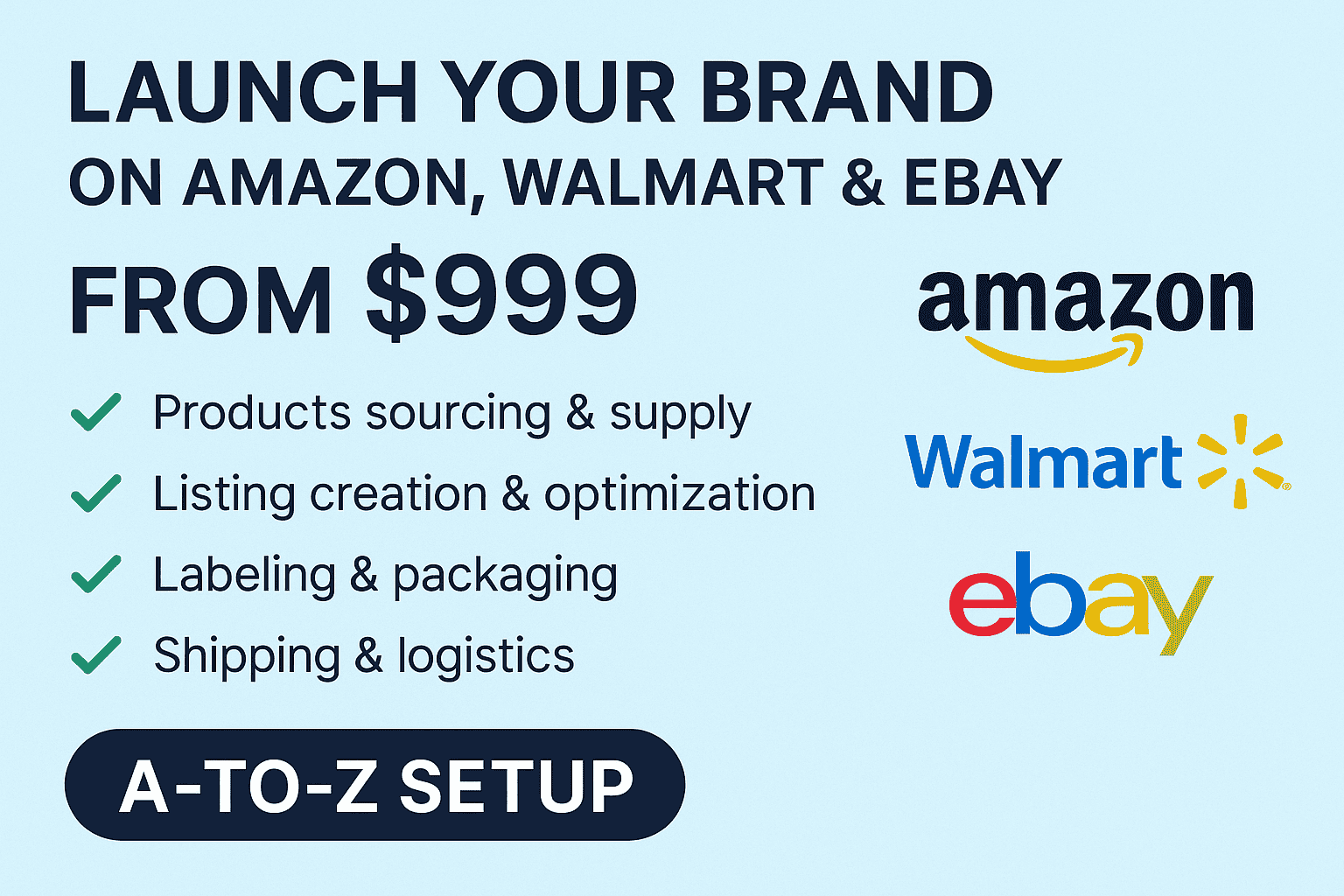
Some companies combine sourcing with additional services such as product branding, packaging design, barcode coordination, listing creation, FBA preparation, and shipping arrangements.
Bundled packages can be useful for sellers who want assistance with several stages of launching a private label product.
HighRise Wholesale offers product sourcing and private label support for Amazon FBA sellers, with service options depending on the product and order requirements.
For example, a seller launching a branded kitchen accessory may need help identifying a manufacturer, developing packaging, arranging product labels, and preparing inventory for Amazon. Coordinating these activities through one service provider can reduce the administrative burden.
However, always confirm which services are included in the package and which require additional payment.
Amazon Product Sourcing Costs: What Is Included?
One of the biggest mistakes new sellers make is comparing sourcing companies based only on their headline prices.
A more reliable approach is to examine the complete cost of getting inventory from the supplier to the Amazon fulfillment network.
Product Manufacturing or Wholesale Cost
This is the amount paid for the actual product. It depends on the materials, specifications, supplier, order quantity, customization, and manufacturing location.
Larger orders may qualify for lower per-unit prices, but ordering more inventory also increases your financial exposure if the product does not sell as expected.
Supplier Verification and Quality Inspection
A supplier’s quotation does not automatically guarantee reliable product quality.
Depending on the service agreement, you may need to pay separately for factory verification, sample testing, pre-production samples, or pre-shipment inspections.
These checks can help identify quality issues before a large order is dispatched.
Ask your sourcing company whether inspections are included, how many units are checked, and what happens if the products fail the agreed quality requirements.
Samples and Prototypes
Samples allow you to evaluate the product before committing to bulk inventory.
You may need to pay for the sample itself, international courier charges, customization, or prototype development.
For private label products, samples are particularly useful for confirming dimensions, materials, packaging, branding, and overall product performance.
Packaging, Branding, and Barcodes
Private label sellers may need customized packaging, logos, product inserts where permitted, and appropriate product identification.
Some sourcing packages include basic design or barcode coordination, while others charge separately for these services.
Amazon listing requirements and product eligibility can vary by category, so confirm the correct barcode and brand-related requirements before production begins.
Shipping and Import Expenses
Shipping can have a significant impact on your final unit cost, particularly when importing products internationally.
Depending on the shipment, expenses may include freight, customs clearance, import duties, insurance, local transportation, and delivery to an Amazon fulfillment center or an intermediate warehouse.
Always establish whether the quotation is based on factory pickup, port delivery, a specified destination, or a delivered arrangement with clearly defined responsibilities.
Amazon Fees and Advertising
Product sourcing fees are only one part of your Amazon business expenses.
You should also account for applicable referral fees, FBA fulfillment fees, storage charges, advertising expenditure, returns, and other marketplace costs.
A sourcing company may help with product procurement or launch preparation, but that does not guarantee sales, ranking, or profitability.
How Do Sourcing Costs Differ Between Wholesale and Private Label?
The right sourcing model depends on your business strategy.
Amazon Wholesale Sourcing
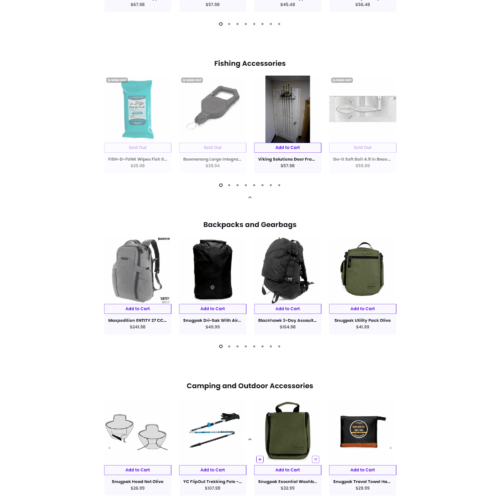
Wholesale sellers generally purchase existing branded products from legitimate suppliers or authorized distributors and resell them on Amazon, subject to marketplace requirements.
Their main priorities are supplier legitimacy, competitive purchasing prices, product eligibility, documentation, and reliable inventory availability.
Wholesale sourcing may require less product development because the product and brand already exist. However, competition, margins, and access to authorized supply can make certain products difficult to source profitably.
A sourcing partner can help sellers compare opportunities and organize purchasing, but sellers should independently verify supplier authorization and product authenticity.
Amazon Private Label Sourcing
Private label sellers develop or customize products under their own brands.
This approach can involve manufacturer research, samples, product specifications, packaging, logo design, quality control, and larger production commitments.
As a result, private label sourcing often requires more coordination than buying an existing wholesale product.
HighRise Wholesale supports sellers interested in private label opportunities, including product sourcing and related launch services. The appropriate package and investment depend on the product, customization requirements, and order quantity.
For beginners, the important consideration is not simply whether private label or wholesale is cheaper. It is whether the chosen model fits your budget, experience, risk tolerance, and long-term business objectives.
Is a Cheap Amazon Product Sourcing Company Always Better?
Not necessarily.
A company advertising very low sourcing fees may offer limited services, leaving you responsible for supplier verification, inspections, packaging, shipping coordination, and other tasks.
On the other hand, a higher-priced provider may offer a more comprehensive service that reduces the time and effort required to manage the supply chain.
The key is to compare the total cost against the actual value delivered.
Before choosing a sourcing company, ask these questions:
- Is the supplier verified, and can the company explain how?
- Are product samples available before placing a bulk order?
- Is quality inspection included in the quoted price?
- Are shipping, customs, and import duties included or separate?
- Does the company charge commissions or apply product markups?
- Are branding, packaging, barcodes, and listing services included?
- What happens if the supplier misses specifications or delivery deadlines?
- Are payment terms, refund conditions, and responsibilities documented?
A reliable sourcing partner should provide clear answers rather than relying on vague promises of guaranteed profits or exceptionally cheap products.
How to Calculate Your Total Amazon Product Sourcing Cost
Before placing an order, calculate your expected landed cost per unit.
A simple formula is:
Landed cost per unit = Total product purchase cost + sourcing fees + inspection costs + packaging costs + shipping + import expenses, divided by the number of sellable units.
For example, imagine you purchase 1,000 units at $3 each.
Your estimated expenses might look like this:
- Product purchase: $3,000
- Sourcing service fee: $250
- Inspection and packaging: $200
- Shipping and import expenses: $550
Your estimated total cost would be $4,000, or $4 per unit, assuming all 1,000 units are sellable.
These figures are illustrative, not a quotation from any sourcing company. Actual costs will vary by product, country, shipment, and service agreement.
You would then need to subtract Amazon fees, advertising, returns, and other operating expenses from your selling price to estimate your contribution per unit.
This calculation is important because a product that looks attractive at a $3 supplier price may become significantly less profitable after all expenses are included.
How to Choose the Right Amazon Product Sourcing Company
Choosing a sourcing partner should be treated as a business decision rather than a simple price comparison.
First, define your requirements. Decide whether you need wholesale inventory, a new private label product, or end-to-end launch support.
Second, establish your budget. Include working capital for inventory, transportation, marketplace fees, advertising, and unexpected expenses. Avoid committing your entire budget to the first order.
Third, request a detailed quotation. Ask the provider to separate product costs, service charges, shipping expenses, and optional services wherever possible.
Fourth, evaluate the supplier and product independently. Check samples, product specifications, compliance requirements, competition, demand, and realistic selling margins.
Finally, document the agreement. Make sure payment terms, inspection standards, delivery responsibilities, and remedies for defective or nonconforming products are clear before production begins.
HighRise Wholesale can be one option to evaluate if you are looking for Amazon wholesale products or private label sourcing support. Compare the services available for your specific requirements and request a detailed quotation before making a financial commitment.
Frequently Asked Questions About Amazon Product Sourcing Company Pricing
How much does an Amazon product sourcing agent cost?
The cost varies according to the provider’s pricing model. Some charge fixed project fees, others use percentage-based commissions or product markups, and some offer bundled packages. Request a quote based on your product, order quantity, and required services.
Do Amazon product sourcing companies charge monthly fees?
Not all of them. Some work on a per-project or per-order basis, while others may offer ongoing services with recurring charges. Review the agreement carefully to identify any subscription, account management, or continuing support fees.
Does product sourcing include shipping to Amazon FBA?
Sometimes, but it should never be assumed. Some providers coordinate shipping and FBA preparation, while others focus on identifying suppliers or purchasing products. Confirm the delivery destination, shipping terms, and additional charges before placing an order.
Is private label sourcing more expensive than wholesale sourcing?
It can be. Private label products may require customized manufacturing, samples, packaging design, branding, and quality control. Wholesale sourcing often involves existing products, although supplier access, minimum order quantities, and product prices can still vary considerably.
What is the minimum budget for Amazon product sourcing?
There is no universal minimum. Your required budget depends on the product’s price, minimum order quantity, shipping, and the services you need.
HighRise Wholesale has offered different entry points for generic wholesale products and private label projects. Confirm the current minimum order value, package inclusions, and final quotation directly before proceeding.
Can an Amazon product sourcing company guarantee profit?
No reputable sourcing arrangement should be treated as a guarantee of profit. Product demand, competition, advertising performance, Amazon fees, returns, and supplier reliability all influence financial results. Proper research and realistic financial planning can reduce risk, but they cannot eliminate it.
Is hiring a product sourcing company worth it for beginners?
It can be worthwhile if you need help navigating supplier communication, product procurement, quality control, or launch preparation. However, you should understand the services being purchased and retain control over product selection, financial calculations, and business decisions.
Final Thoughts
Amazon product sourcing company pricing is about more than the service fee. The real objective is to understand your complete investment, secure dependable suppliers, maintain product quality, and purchase inventory at a cost that supports sustainable margins.
Before selecting a sourcing partner, compare pricing models, confirm service inclusions, calculate your landed cost, and evaluate the product’s potential profitability after Amazon fees and advertising.
Whether you are building a wholesale business or launching your own private label brand, a transparent sourcing process can help you make better purchasing decisions and manage your investment more effectively.
HighRise Wholesale works with sellers exploring Amazon wholesale and private label opportunities. If you are evaluating sourcing options, start by identifying your target product, budget, marketplace, and required services, then request a quotation that clearly explains the total expected cost.
Explore HighRise Wholesale: https://highrisewholesale.com