Finding the right product is only the beginning of selling on Amazon. You also need reliable suppliers, competitive pricing, consistent quality, compliant packaging, and dependable shipping. An Amazon product sourcing agency can help with these tasks, but the wrong partner may cause overpricing, defects, hidden fees, and delays.
The right agency should understand your business model, verify suppliers, communicate clearly, and help you make informed purchasing decisions.
What Is an Amazon Product Sourcing Agency?
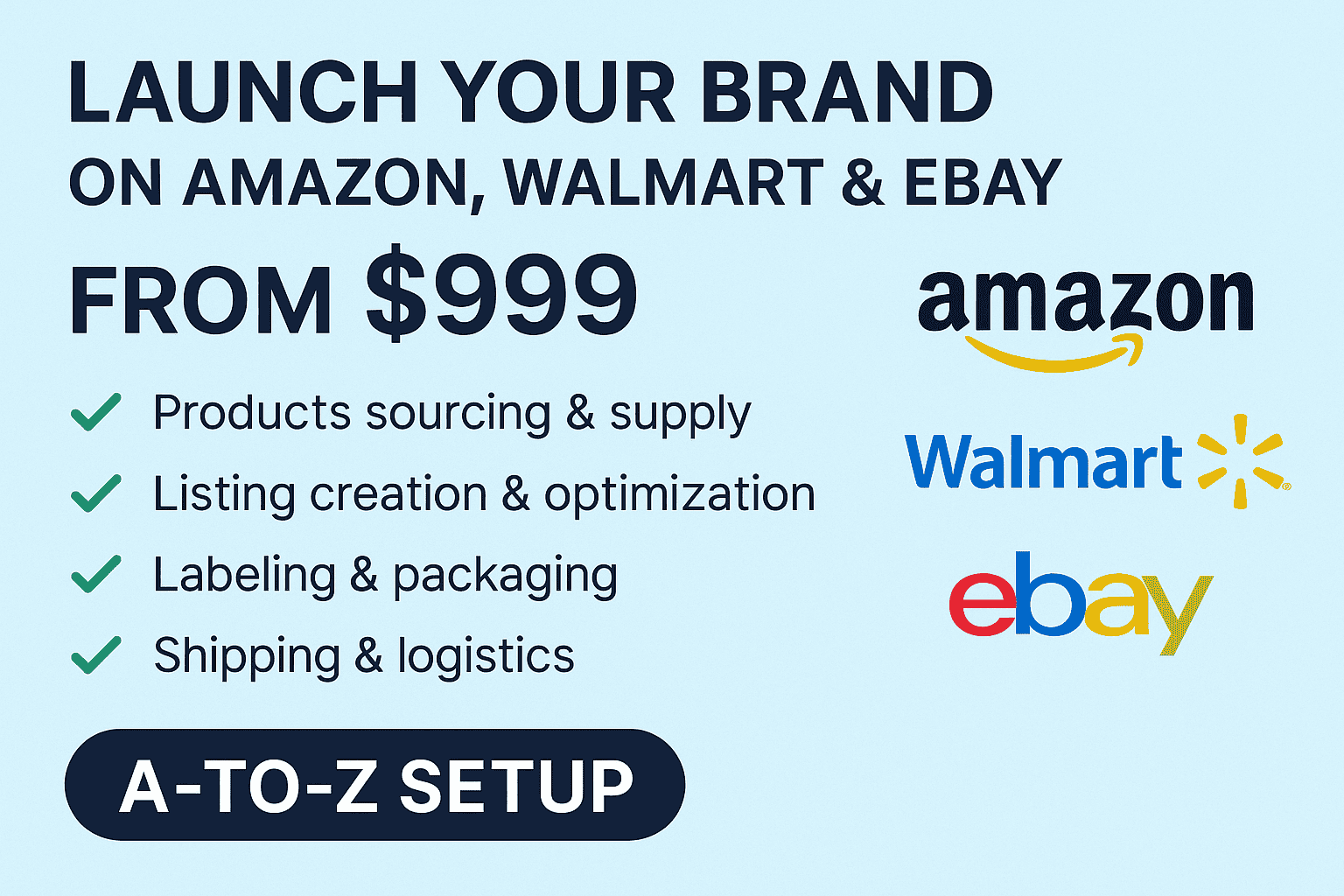
An Amazon product sourcing agency helps sellers find suppliers, negotiate costs, manage production, and coordinate purchasing and logistics. Services may include:
- Product research and supplier identification
- Manufacturer verification and negotiation
- Private label customization and packaging
- Sampling and quality inspections
- Labeling, barcodes, and FBA preparation
- Freight forwarding and delivery coordination
- Listing or branding support
Some agencies focus on wholesale sourcing, while others specialize in private label products. Wholesale sellers may need help verifying distributors and authorization. Private label sellers may need customization, packaging, samples, inspections, and production management. Choose an agency with experience in your specific model and product category.
Evaluate the Agency and Its Suppliers
Ask potential agencies:
- Who will manufacture the product?
- Can you verify the factory and provide relevant documentation?
- Can you arrange a factory call or visit where practical?
- Does the supplier have experience with this product category?
- Who is responsible for delays or products that fail to meet specifications?
Do not rely solely on photographs, certificates shared through messaging apps, or verbal assurances. Verify important claims independently whenever possible.
Also assess the agency’s communication. It should provide clear written quotations, realistic timelines, regular updates, and prompt explanations of risks or additional charges. Be cautious if it avoids supplier questions, guarantees unrealistic results, or pressures you to pay immediately.
Compare Total Cost and Pricing Terms
A low unit price may exclude packaging, inspections, freight, customs, or agency fees. Request an itemized quotation covering:
- Product cost
- Samples, tooling, customization, and packaging
- Inspection and quality-control charges
- Labeling and barcodes
- Domestic transport and export handling
- International freight and customs-related costs
- FBA preparation and delivery
Clarify whether duties, taxes, and destination delivery are included. Calculate the landed cost per unit, then evaluate it alongside Amazon referral and fulfillment fees, advertising, returns, and other operating expenses.
Also understand how the agency is paid. It may charge a fixed sourcing fee, a commission, or include compensation in the product price. Confirm what happens if a supplier cannot fulfill the order and how refunds, defects, delays, and disputes are handled. Get all terms in writing.
Prioritize Quality and Compliance
Before bulk production:
- Approve a sample and check dimensions, materials, functionality, finish, packaging, and other specifications.
- Document the approved specifications for the factory.
- Define inspection criteria and acceptable defect levels.
- Arrange an independent pre-shipment inspection where appropriate.
- Confirm applicable safety, testing, labeling, and documentation requirements.
Inspections reduce risk but do not guarantee defect-free inventory. You remain responsible for ensuring that products comply with Amazon and destination-market requirements.
Confirm FBA and Logistics Experience
Ask whether the agency has coordinated shipments to Amazon fulfillment centers and clarify which services are included. These may involve FNSKU labeling, polybagging, bundling, carton specifications, shipment documentation, and delivery scheduling.
Amazon requirements can change and vary by product category, so verify current rules yourself. If you sell through another marketplace, confirm that the agency understands its inbound requirements as well.
Assess Product and Market Viability
Sourcing support cannot make an unprofitable product successful. Before ordering, evaluate:
- Demand and competition
- Differentiation opportunities
- Manufacturing and landed costs
- Amazon fees, advertising, and fulfillment expenses
- Product size, weight, and return risk
- Seasonality and inventory needs
- Compliance and intellectual property concerns
Ask how the agency develops its estimates and what assumptions it uses. Research tools provide estimates, not guarantees. For private label products, consider whether you can improve the design, functionality, packaging, bundle, or customer experience rather than simply adding a logo.
Verify Experience and Start Small
Request relevant evidence, such as samples, anonymized inspection reports, customized packaging examples, supplier-verification procedures, or client references. A small pilot order can help you evaluate quality, documentation, communication, and delivery coordination before making a larger commitment.
For larger orders, verify the agency’s legal identity and payment recipient. Use a written purchase order or contract covering specifications, quantity, pricing, payment milestones, timelines, and remedies for material deviations. Document ownership and permitted use of logos, artwork, packaging designs, molds, and other intellectual property.
Avoid unexplained payments to personal or unrelated accounts. Independently verify unexpected changes to bank details. Consider third-party inspections and payment arrangements that limit exposure.
Scale only after reviewing actual supplier performance, demand, cash flow, and inventory turnover. Smaller orders may cost more per unit or be subject to minimum order quantities, but they can reduce the risk of a large mistake.
Red Flags
Watch for:
- Unrealistically low or incomplete quotations
- Refusal to identify or verify the supplier
- No written agreement
- Guaranteed sales, rankings, reviews, or profitability
- Pressure to pay immediately
- Vague quality-control procedures
- Unverifiable references, certificates, or business details
One warning sign may have an innocent explanation, but several should prompt further investigation.
Local or International Sourcing?
Choose based on the product, target market, capabilities, lead times, tariffs, logistics costs, and compliance requirements—not general assumptions about a country.
A local agent may simplify coordination with domestic suppliers. An international agency may provide access to factories across multiple markets. China, India, and other countries may each be competitive for different products and materials. The best agency identifies the most practical option rather than directing every order to the same factory or country.
How HighRise Wholesale Can Fit Into Your Sourcing Process
For sellers exploring private label opportunities, HighRise Wholesale provides sourcing and related services for developing and preparing products for online marketplaces. Depending on the project, services may include product sourcing, private labeling, packaging and branding coordination, quality checks, listing support, and shipment preparation.
The same due-diligence principles apply: confirm costs, service scope, specifications, production arrangements, and shipping terms before ordering.
You can explore the services at https://highrisewholesale.com.
Frequently Asked Questions
What does an Amazon product sourcing agency do?
It helps sellers identify suppliers, negotiate pricing, coordinate manufacturing or purchasing, and manage services such as sampling, quality control, packaging, and shipping. The scope depends on the agency and agreement.
How much does one charge?
Costs vary by product, order quantity, sourcing country, and services. Agencies may charge fixed fees, commissions, or include compensation in the product quotation. Request an itemized breakdown.
Is an agency worthwhile for beginners?
It can help sellers who lack supplier relationships or manufacturing experience, but it is not essential for every business. Compare the agency’s fees and value with sourcing directly, and understand the product economics yourself.
How do I verify an agency?
Check its business details, request written quotations, ask about supplier verification and quality control, review relevant work, clarify payment terms, and begin with a manageable order. Verify manufacturers independently where practical.
What is the difference between an agent and a manufacturer?
A manufacturer produces goods. A sourcing agent identifies suppliers and may coordinate negotiation, production, inspection, and logistics. Some agencies also operate factories, so confirm the arrangement.
Can an agency guarantee profitability?
No. Profitability depends on demand, competition, pricing, Amazon fees, advertising, returns, and other expenses. Evaluate the complete economics before investing.
Can an agency help with private label products?
Yes. Depending on its capabilities, it may coordinate customization, logos, packaging, samples, inspections, and shipping. Confirm the included services and the manufacturer’s ability to meet your specifications.
Should I use one agency for every product?
Not necessarily. One agency may simplify management, but different categories require different expertise. Choose based on capability, quality, compliance, and total cost.
Final Thoughts
Choosing an Amazon sourcing agency is about more than finding the lowest price. Define your requirements and target costs, compare agencies on supplier access, transparency, quality control, logistics experience, and included services, then verify claims and document the agreement.
Calculate profitability before committing to inventory and consider a pilot order before scaling. The right agency should improve visibility and control while helping you make sound sourcing decisions as your business grows.