Finding the right products to sell on Amazon is one of the most important steps in building a profitable ecommerce business. Whether you plan to launch a private label brand, resell established products, or start an Amazon wholesale business, your results depend on sourcing quality inventory at competitive prices.
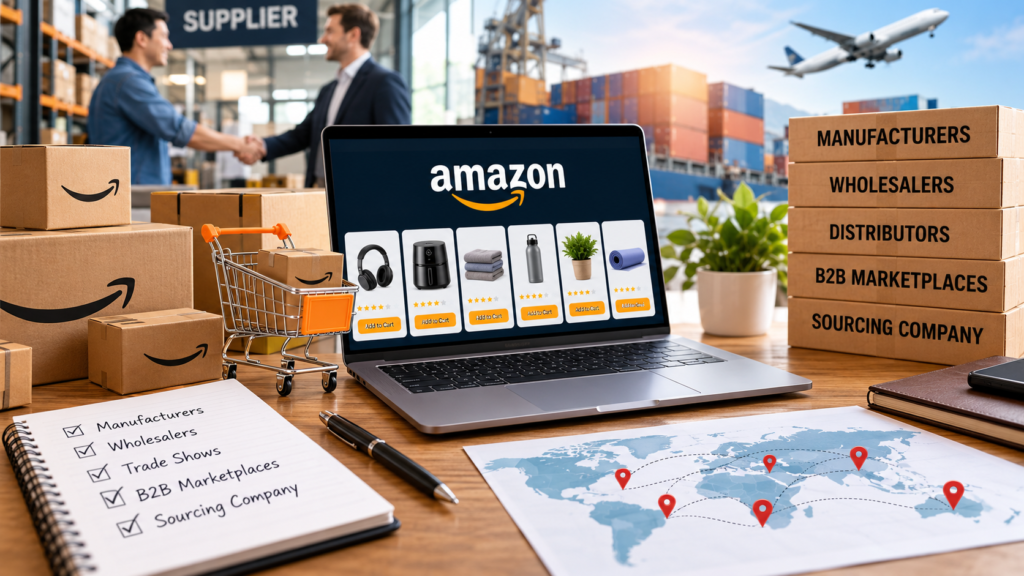
You do not need to manufacture products yourself to start selling on Amazon. You can source inventory from manufacturers, wholesalers, authorized distributors, international B2B marketplaces, trade shows, and specialized Amazon sourcing companies.
The challenge is identifying reliable suppliers, choosing the right sourcing model, evaluating product demand, and calculating your complete profit potential before investing in inventory.
This guide explains where to buy products for Amazon FBA, how to find suppliers, which sourcing methods work best for different business models, and how to identify products with long-term growth potential.
1. Buy Products Directly From Manufacturers
Buying directly from manufacturers is one of the most effective ways to source products for an Amazon private label business.
Manufacturers can produce products according to your specifications, customize packaging, add your brand logo, and help you create a differentiated product for your target market.
Popular sourcing destinations include China, India, Vietnam, Indonesia, and other countries with established manufacturing industries.
For example, Amazon sellers can source kitchen accessories from China, textiles from India, wooden products from Indonesia, and selected home products from Vietnam.
Working directly with manufacturers may provide competitive unit costs, especially when ordering larger quantities. However, minimum order quantities, production timelines, shipping expenses, import duties, and quality requirements must be considered.
Before placing an order, request product samples, compare supplier quotations, confirm production capabilities, and establish clear quality standards.
2. Use Alibaba to Find Products for Amazon FBA
Alibaba is one of the most widely used B2B marketplaces for finding Amazon FBA products and private label suppliers. Sellers can compare manufacturers, review product specifications, request quotations, and discuss customization options.
Alibaba is particularly useful for entrepreneurs who want to launch branded products through Amazon FBA.
You can search for existing products, explore private label opportunities, negotiate bulk pricing, and communicate directly with suppliers.
To source products effectively through Alibaba:
- Search for a specific product with clear specifications.
- Compare several suppliers instead of choosing the cheapest option.
- Review supplier verification details and transaction history where available.
- Ask about minimum order quantities, samples, packaging, and production timelines.
- Confirm applicable product safety, testing, and labeling requirements.
- Calculate the total landed cost before placing your order.
Alibaba can be an excellent starting point for product sourcing, but a supplier profile alone does not guarantee reliability. Independent verification, product testing, and quality inspections remain important.
3. Source Products From IndiaMART
IndiaMART connects buyers with Indian manufacturers, wholesalers, exporters, and other business suppliers.
The platform offers access to categories such as textiles, home furnishings, kitchen accessories, handicrafts, packaging materials, and personal care products.
For sellers sourcing products from India, IndiaMART can help identify manufacturers and compare quotations without relying entirely on suppliers in China or other international markets.
Indian manufacturers may also offer opportunities for customized production, private labeling, and export-focused partnerships.
Before purchasing inventory for Amazon USA or another international marketplace, verify the supplier’s export experience, production capacity, documentation, and shipping arrangements.
Make sure the products comply with the regulations of your destination country and Amazon’s applicable selling policies.
4. Buy From Wholesale Suppliers and Authorized Distributors
If you want to sell established brands instead of developing your own product, wholesale sourcing may be a better option.
Wholesale sellers purchase inventory in bulk from manufacturers, authorized distributors, or legitimate wholesalers and resell it on Amazon, subject to applicable brand and marketplace restrictions.
Potential wholesale sourcing channels include:
- Authorized brand distributors
- Regional wholesalers
- Direct manufacturer relationships
- B2B wholesale marketplaces
- Industry trade shows
- Local importers and commercial suppliers
The main advantage of wholesale sourcing is that you do not need to develop a new product or create an entirely new brand.
However, competition can be significant, and other sellers may offer the same products at lower prices. Before placing an order, calculate your expected profit after Amazon fees, shipping, storage, advertising, returns, and other operating expenses.
Always obtain legitimate invoices and verify that you have the necessary authorization to sell restricted or brand-controlled products.
5. Explore Global B2B Marketplaces for Amazon Products
Besides Alibaba and IndiaMART, Amazon sellers can explore other B2B marketplaces to discover manufacturers and compare product sourcing opportunities.
Platforms such as Global Sources, Made-in-China, and TradeIndia offer access to suppliers across different product categories and manufacturing regions.
These platforms can be useful when you want to compare quotations, identify alternative suppliers, or find manufacturers with specialized production capabilities.
Use B2B marketplaces to develop a shortlist of potential suppliers rather than treating every listing as verified. Request samples, confirm product specifications, and review commercial terms before committing to a substantial purchase.
6. Work With an Amazon Product Sourcing Company
Finding a supplier is only one part of launching an Amazon product. You may also need product research, branding, packaging design, quality inspections, shipping coordination, listing creation, and FBA preparation.
Managing each activity independently can become complicated, particularly for first-time sellers.
An experienced Amazon agency or product sourcing partner can help coordinate these steps and reduce operational complexity.
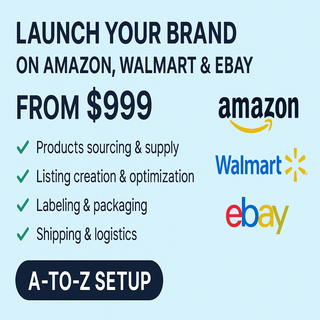
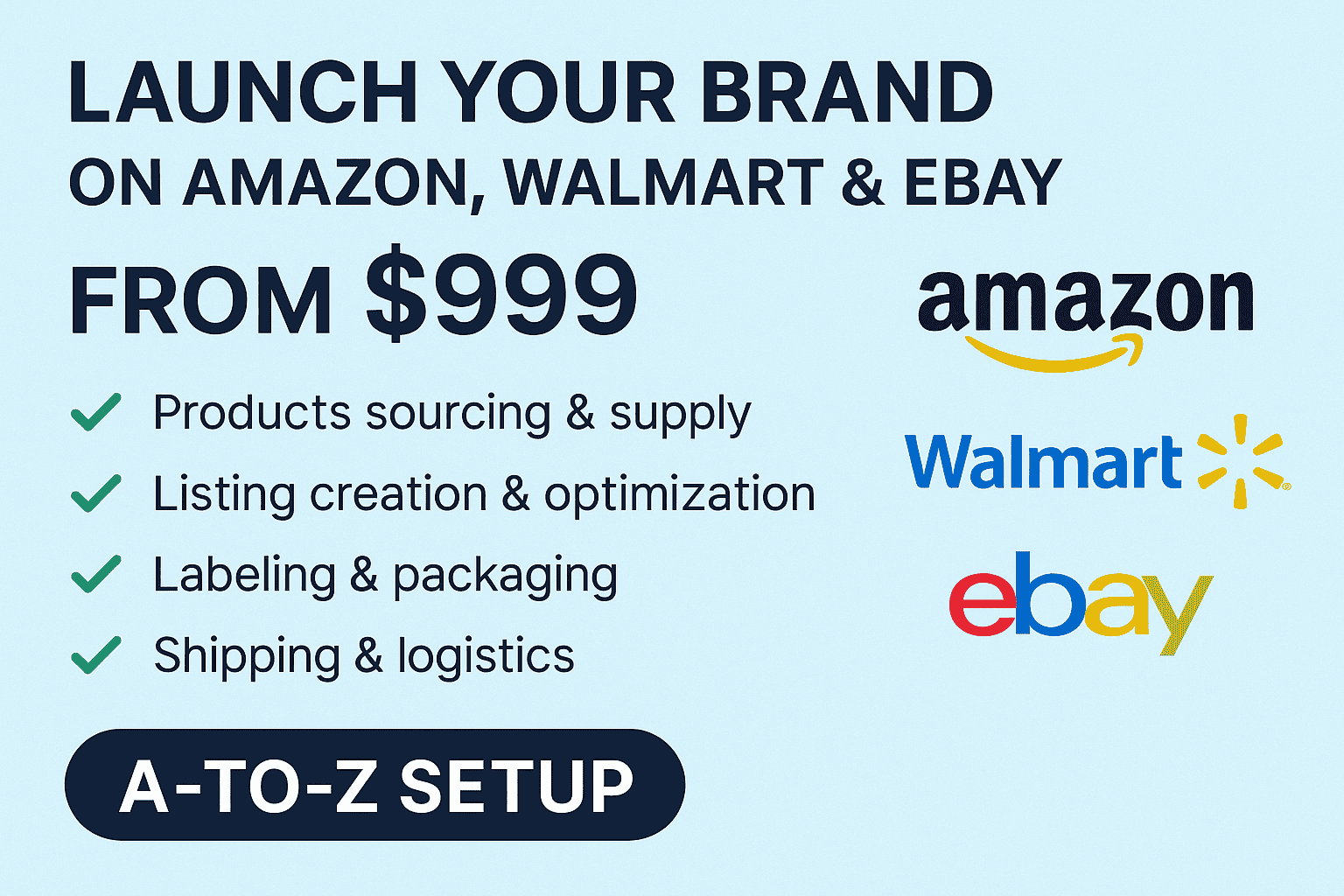
HighRise Wholesale is an Amazon and Walmart ecommerce agency that helps sellers source products, develop private label brands, coordinate branding, create product listings, prepare inventory for fulfillment, and manage other launch-related activities.
You can learn more at https://highrisewholesale.com
For entrepreneurs who want to build their own brand, HighRise Wholesale provides a starting point for exploring product sourcing and end-to-end ecommerce launch services.
When comparing HighRise Wholesale with other Amazon sourcing providers, review the complete service scope, pricing, production timelines, and quality control arrangements. Confirm whether product costs, samples, shipping, customs duties, Amazon fees, and advertising are included or charged separately.
Choosing the right sourcing partner should be based on transparent pricing, reliable communication, documented processes, and a clear understanding of who is responsible for each stage of the launch.
7. Attend Trade Shows to Discover Products to Sell on Amazon
Trade shows provide another opportunity to find products to sell on Amazon and build direct supplier relationships.
Unlike online marketplaces, trade shows allow you to examine products in person, meet manufacturers, compare product quality, and discuss potential partnerships directly.
Depending on your target category, look for exhibitions focused on consumer goods, home products, kitchen accessories, beauty products, toys, electronics, and pet supplies.
Trade shows can be particularly valuable if you want to discover differentiated products or establish direct relationships with manufacturers.
Prepare a shortlist of exhibitors before attending and ask about minimum order quantities, private labeling, certifications, production capacity, and export experience.
After meeting potential suppliers, request written quotations and samples before making purchasing decisions.
8. Choose the Right Amazon Product Sourcing Model
Where you should buy products depends largely on the business model you want to build.
Private label: You source products from manufacturers and sell them under your own brand. You have greater control over branding, packaging, and product differentiation, but you also assume responsibility for product development, inventory, and marketing.
Wholesale: You purchase established branded products from legitimate manufacturers or authorized distributors and resell them. This reduces product development requirements but may involve thinner margins and greater competition.
Online arbitrage: You purchase discounted products from online retailers and resell them where permitted. Product availability and documentation can be inconsistent.
Retail arbitrage: You purchase discounted products from physical retail stores and resell them on Amazon, subject to applicable policies and restrictions.
Generic products: You sell products without developing a distinctive brand. This can reduce initial branding requirements, although competition and limited differentiation may create challenges.
If your goal is to build a long-term brand, private label may be worth exploring. If you prefer selling existing products, wholesale sourcing may better match your objectives.
HighRise Wholesale can help sellers exploring private label and wholesale opportunities understand the sourcing and operational requirements involved in launching products on Amazon.
9. How to Find Profitable Products to Sell on Amazon
A reliable supplier does not automatically mean you have found a profitable Amazon product.
Before investing in inventory, research the market and determine whether the product has sufficient demand, manageable competition, and realistic profit potential.
Analyze Amazon customer demand
Use Amazon search results, keyword research tools, sales estimates, and market trends to understand what customers are searching for.
Look for consistent demand rather than relying entirely on temporary trends or unusually high sales estimates.
Evaluate product competition
Review competing listings, product reviews, selling prices, brand strength, and advertising activity.
Identify whether you can improve product quality, packaging, design, convenience, or the overall customer experience.
Calculate Amazon profit margins
Estimate the complete cost of selling the product, including:
- Supplier purchase price
- Freight and import duties
- Amazon referral and fulfillment fees
- Packaging and labeling
- Storage and inventory handling
- Advertising expenses
- Returns and damaged inventory
A product generating substantial revenue can still lose money if advertising expenses and operating costs are too high.
Evaluate product size and weight
Smaller and lighter products may offer logistical advantages, although fulfillment costs depend on Amazon’s current fee structure and the product’s dimensions.
Check Amazon product compliance requirements
Confirm whether the product requires specific testing, certifications, labeling, safety documentation, or category approval.
Also investigate intellectual property risks before investing in customized inventory.
10. Calculate the Total Cost Before Ordering Amazon Inventory
One of the most common mistakes new Amazon sellers make is comparing the supplier’s purchase price with the Amazon selling price and assuming the difference represents profit.
Consider a hypothetical product purchased for $4 and sold for $20.
The apparent difference is $16 per unit, but your actual profit will be lower after shipping, Amazon fees, advertising, storage, returns, and other expenses.
Use Amazon’s current Revenue Calculator and fee schedules for your target marketplace to estimate potential profit margins.
It is also wise to model different scenarios, including lower selling prices, higher advertising costs, and slower inventory turnover.
Before making a substantial commitment, ensure you have sufficient working capital to cover inventory replenishment and unexpected expenses.
11. How to Verify Amazon Suppliers and Avoid Costly Mistakes
Supplier verification is essential when sourcing products domestically or internationally for Amazon.
Before transferring a significant amount of money:
- Verify the supplier’s legal business details.
- Request product samples and compare them against your specifications.
- Obtain written quotations and purchase agreements.
- Confirm minimum order quantities and production timelines.
- Arrange independent quality inspections where appropriate.
- Verify applicable certifications and compliance documents.
- Understand payment terms and available transaction protections.
- Keep copies of invoices, purchase orders, inspection reports, and shipping documents.
Be cautious of suppliers offering unusually low prices, applying pressure to pay immediately, or refusing to provide samples and written specifications.
Whether you work directly with manufacturers or choose an agency such as HighRise Wholesale, transparent communication and documented quality standards should be central to the sourcing process.
Frequently Asked Questions About Buying Products to Sell on Amazon
Where can I buy products to sell on Amazon?
You can source products from manufacturers, wholesalers, authorized distributors, B2B marketplaces such as Alibaba and IndiaMART, trade shows, and specialized Amazon sourcing companies. The best option depends on your business model, budget, product category, desired order quantity, and level of product customization.
Is Alibaba a good place to find Amazon FBA products?
Yes. Alibaba can help you discover manufacturers, compare quotations, and customize products for private label selling. Always verify suppliers, order samples, check compliance requirements, and calculate your total landed cost before purchasing inventory.
Can I buy products from India and sell them on Amazon USA?
Yes, provided you meet applicable import requirements, product regulations, Amazon policies, and intellectual property requirements. You must also account for international shipping, customs duties, labeling, currency considerations, and fulfillment expenses.
How much money do I need to start selling products on Amazon?
The required investment depends on your product, order quantity, shipping arrangements, branding, compliance requirements, and marketing budget. Start by calculating the complete cost of launching your chosen product instead of relying on a universal minimum investment figure.
Should I buy directly from manufacturers or wholesalers?
Manufacturers are generally suitable for private label products and customized production. Wholesalers and authorized distributors are often better suited to reselling established brands. Compare pricing, order quantities, supplier reliability, documentation, and the level of product control you need.
How can I identify profitable products to sell on Amazon?
Research demand, competition, keyword trends, selling prices, and customer reviews. Then calculate your estimated profit after all relevant costs, including Amazon fees, shipping, storage, advertising, returns, and inventory carrying costs.
Can HighRise Wholesale help me launch a private label brand?
HighRise Wholesale is an Amazon and Walmart ecommerce agency offering services related to product sourcing, private labeling, branding, listing creation, FBA preparation, and launch support. Visit https://highrisewholesale.com to explore its services and discuss your requirements.
Final Thoughts on Amazon Product Sourcing
Knowing where to buy products to sell on Amazon is the foundation of an effective sourcing strategy, but finding a supplier is only the first step.
Long-term success requires selecting the right product, validating demand, controlling costs, maintaining quality, and complying with Amazon’s policies.
If you want to build your own brand, compare manufacturers and sourcing partners before committing to inventory. If you prefer wholesale selling, prioritize authorized suppliers, legitimate invoices, and sustainable margins.
HighRise Wholesale can be one option to explore if you want support with product sourcing and the operational steps involved in launching an ecommerce brand.
The most important principle is simple: research first, validate your numbers, verify your supplier, and invest only when the opportunity makes commercial sense.