Starting an Amazon FBA private label business requires more than finding a product with good sales potential. You also need a reliable supplier who can manufacture your products, customize packaging, maintain consistent quality and deliver inventory to Amazon fulfillment centers.
One of the most common questions new Amazon sellers ask is: Where can I buy private label products in the USA, and how do I find reliable manufacturers and suppliers?
The good news is that there are several ways to source private label products for the American Amazon marketplace. You can work directly with US manufacturers, use B2B sourcing platforms, partner with international factories, or work with a sourcing company that manages the entire process.
In this guide, we will explore the best places to buy Amazon private label products in the USA, how to compare suppliers, what to look for before placing an order and how to choose the right sourcing partner for your business.
What Are Amazon Private Label Products?
Amazon private label products are items manufactured by a third party and sold under your own brand name.
Instead of manufacturing products yourself, you find an existing manufacturer, select a product, customize it with your branding and packaging, and sell it through your Amazon Seller Central account.
For example, you could source kitchen sponges, pet grooming accessories, beauty products, household organizers or fitness accessories and launch them under your own brand.
The private label business model gives sellers more control over branding, pricing, packaging and product positioning.
However, choosing the right manufacturer is essential. A low manufacturing price does not necessarily mean a profitable product. You also need to consider shipping, import duties, product quality, Amazon fees and advertising costs.
1. Buy Directly From US Private Label Manufacturers
One of the first places to look is the domestic manufacturing market.
The United States has manufacturers across several product categories, including cosmetics, personal care, supplements, clothing, packaging, household products, pet supplies and food products.
Working with a US manufacturer can offer several advantages:
- Faster communication and easier business coordination.
- Shorter domestic shipping times.
- Easier factory visits and quality inspections.
- No international freight requirements for domestically manufactured products.
- Potentially simpler supply chain management.
- Easier coordination for product development and modifications.
However, US manufacturing is not always the cheapest option.
Some manufacturers have higher minimum order quantities, setup charges and production costs. This can make domestic sourcing challenging for beginners working with limited capital.
Where to find US manufacturers:
Thomasnet is a useful starting point for discovering American manufacturers and industrial suppliers. You can search by product category, manufacturing capability and location.
Maker’s Row is another platform worth exploring, particularly for clothing, accessories and consumer product manufacturing.
For specialized products, searching for contract manufacturers within your specific industry can also produce better results than searching for general private label suppliers.
2. Use Alibaba to Find Private Label Products for the US Market
Alibaba is one of the most widely used B2B sourcing platforms for Amazon private label sellers.
Although Alibaba is based in China, it connects buyers with manufacturers and suppliers from different countries.
You can find manufacturers offering products in categories such as:
- Kitchen and household products
- Beauty and personal care
- Pet accessories
- Sports and fitness equipment
- Home improvement products
- Storage and organization
- Consumer electronics accessories
Many suppliers offer private labeling, custom packaging, logo printing and product modifications.
For Amazon sellers targeting the United States, Alibaba can provide access to competitive manufacturing costs.
However, do not assume every supplier listed on Alibaba is an actual factory. Some are trading companies or intermediaries.
Before placing an order, request business registration documents, manufacturing information, product samples and references.
Also, compare multiple suppliers rather than accepting the first quotation.
3. Find Suppliers Through Global Sources
Global Sources is another established B2B sourcing platform that connects international buyers with manufacturers and exporters.
It can be particularly useful when looking for suppliers with export experience and established manufacturing operations.
Amazon sellers can explore different product categories, compare manufacturers and request quotations for private label orders.
One advantage of using multiple sourcing platforms is that you can compare the same product across different suppliers.
For example, if you want to launch a private label pet hair remover, you can request quotations from manufacturers on Alibaba and Global Sources.
Compare their product specifications, customization options, minimum order quantities and shipping costs before making a decision.
Never select a supplier based on price alone.
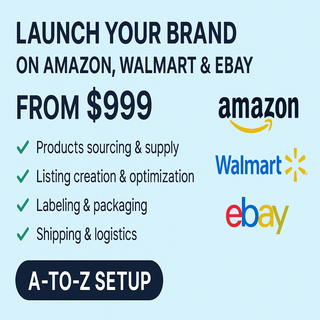
4. Work With Private Label Sourcing Companies like HighRise Wholesale
Finding a manufacturer is only one part of launching an Amazon private label product.
You may also need assistance with product sourcing, supplier negotiations, quality control, branding, packaging, barcode preparation and shipping.
This is where private label sourcing companies become useful.
A sourcing partner can help you identify suitable manufacturers, compare quotations, coordinate samples and manage the production process.
Some companies also offer additional services, including:
- Product research and sourcing
- Private label manufacturing
- Logo and packaging design
- UPC and EAN barcode assistance
- FNSKU labeling
- Product inspection and quality control
- Product bundling and packaging
- Shipping to Amazon FBA warehouses
For sellers who do not have established supplier relationships, working with an experienced sourcing partner can simplify the process.
HighRise Wholesale is one option worth considering for Amazon private label sellers targeting the US market.
HighRise Wholesale helps sellers source products from manufacturing markets such as India and China, develop their own brands and coordinate product preparation for Amazon FBA and Walmart WFS.
Instead of approaching multiple suppliers independently, sellers can use HighRise Wholesale for product sourcing, private labeling, branding, packaging, quality checks and shipping coordination.
Another advantage is having multiple sourcing and manufacturing options rather than being restricted to a single country.
For entrepreneurs launching their first private label product, this can make the sourcing process easier to manage.
5. Explore US Wholesale and Private Label Trade Shows
Trade shows are another excellent way to discover manufacturers and product suppliers.
Unlike online directories, trade shows allow you to meet suppliers, examine physical products and discuss customization requirements directly.
Some useful US trade shows include:
ASD Market Week
ASD Market Week in Las Vegas brings together suppliers across general merchandise, consumer products, gifts, accessories and other retail categories.
It can be useful for discovering potential product opportunities and building supplier relationships.
NY NOW
NY NOW focuses on home, lifestyle, gifts and specialty products. It can be useful for sellers exploring home decor, lifestyle accessories and related product categories.
National Hardware Show
This event is relevant for sellers interested in hardware, tools, home improvement and outdoor products.
Before attending a trade show, prepare a list of products you want to source. Ask manufacturers whether they offer private labeling, custom packaging and smaller initial production runs.
Also, remember that exhibiting at a trade show does not automatically guarantee that a company is a reliable manufacturer. Supplier verification is still necessary.
6. Source Products From US-Based Private Label Specialists
Some manufacturers specialize in specific product categories rather than producing a wide variety of goods.
For example, you can find manufacturers specializing in:
- Private label skincare and cosmetics.
- Vitamins and nutritional supplements.
- Pet grooming products.
- Cleaning and household products.
- Apparel and textile products.
- Food and beverage products.
Working with a specialized manufacturer can be beneficial because they may already understand the production requirements, testing procedures and compliance standards associated with your product category.
For instance, if you want to launch a private label skincare brand on Amazon, a specialized cosmetics manufacturer may offer formulation, filling, packaging and labeling services.
Similarly, a pet care manufacturer may offer private label shampoos, grooming sprays and other pet accessories.
Always check the manufacturer’s regulatory experience and documentation before moving forward.
7. Consider International Manufacturers Supplying the US Amazon Market
One common misconception among new Amazon sellers is that private label products must be manufactured in the United States.
That is not true.
Many successful Amazon brands source products internationally and sell them to American customers.
China, India, Vietnam and Indonesia are among the manufacturing markets that sellers can explore, depending on the product category.
International sourcing can offer several benefits:
- Competitive manufacturing costs.
- A wider selection of product categories.
- More customization options.
- Established export infrastructure.
- Access to specialized manufacturing capabilities.
However, international sourcing requires additional attention to shipping, customs, import duties, product compliance and quality inspections.
You should calculate the complete landed cost before deciding whether an overseas manufacturer offers better value than a domestic supplier.
How to Choose the Right Amazon Private Label Supplier
Finding suppliers is relatively easy. Finding the right supplier is the difficult part.
Before placing an order, evaluate the following factors.
1. Manufacturing Experience
Ask how long the supplier has been manufacturing your product category.
Request information about its production facilities, manufacturing capabilities and previous export experience.
If possible, arrange a factory video call or independent factory inspection.
2. Minimum Order Quantity
Minimum order quantity, commonly called MOQ, determines how many units you must purchase in your initial order.
Some manufacturers accept relatively small orders for standard products with custom packaging.
Others require larger quantities for custom materials, formulations or product designs.
Choose an MOQ that fits your budget without creating excessive inventory risk.
3. Product Samples
Never place a large production order without evaluating samples.
Check the materials, dimensions, durability, finishing, functionality and packaging.
If you are sourcing an existing product, compare the sample with leading products already selling on Amazon.
4. Private Label Customization
Ask whether the supplier can customize the product with your logo, packaging, colors, materials and other specifications.
Simply putting a logo on a generic product may not be enough to differentiate your brand.
Look for opportunities to improve the product based on customer feedback and competitor reviews.
5. Quality Control
Quality control should be part of your sourcing agreement.
Clearly document acceptable product specifications, defect limits, packaging requirements and inspection procedures.
For larger orders, consider independent pre-shipment inspections before releasing the final payment.
6. Shipping and Amazon FBA Preparation
Your supplier should understand the requirements for delivering products to Amazon fulfillment centers.
Discuss carton dimensions, product packaging, shipping labels, FNSKU labeling, carton labels and shipment documentation.
You can also work with a dedicated prep center if your manufacturer cannot handle Amazon preparation.
Remember that sellers remain responsible for ensuring their inventory meets Amazon’s current packaging and labeling requirements.
7. Product Compliance
Product compliance is particularly important when selling in the United States.
Depending on the product category, you may need specific testing, certifications, labeling or regulatory documentation.
For example, children’s products may require CPSIA compliance, while cosmetics, food and supplements have different regulatory requirements.
Do not rely entirely on a supplier’s verbal assurance that a product is compliant.
Verify the applicable requirements before manufacturing and importing inventory.
How Much Money Do You Need to Start an Amazon Private Label Business?
The investment depends on the product, order quantity, manufacturing country, customization level and marketing budget.
A beginner should consider more than just the manufacturing cost.
Your initial investment may include:
- Product samples.
- Initial inventory.
- Custom packaging and branding.
- Shipping and customs.
- Amazon selling and fulfillment fees.
- Product photography and listing creation.
- Advertising and launch expenses.
- Additional working capital.
For example, a seller launching a simple household product may need a different budget from someone launching a customized skincare product.
Starting with a manageable order is generally a sensible approach, provided the MOQ allows you to maintain competitive manufacturing costs.
Do not spend your entire budget on inventory. Keep sufficient funds available for advertising, unexpected expenses and replenishment.
Common Mistakes to Avoid When Buying Private Label Products
Many first-time Amazon sellers make avoidable sourcing mistakes.
Here are some of the most common ones.
Choosing the cheapest manufacturer
A low quotation can hide poor materials, inconsistent quality or unexpected charges. Compare the complete cost and supplier capabilities.
Skipping product research
A manufacturer can produce an excellent product that nobody wants to buy. Validate demand and competition before ordering inventory.
Ignoring customer reviews
Competitor reviews can reveal product weaknesses, packaging problems and opportunities for differentiation.
Ordering too much inventory
Large initial orders increase financial risk. Start with a quantity that makes sense for your projected demand and available capital.
Not protecting your brand
Check trademark availability and secure the necessary intellectual property rights. Make sure your supplier agreement clearly addresses ownership of custom designs, molds and artwork.
Ignoring shipping and import costs
Always calculate landed cost rather than comparing factory prices alone.
Not verifying compliance
A product that cannot legally be sold in the United States can create serious financial and operational problems.
Is It Better to Buy From a US Manufacturer or an International Supplier?
There is no universal answer.
US manufacturers can be a good choice when domestic production, faster replenishment and easier communication are priorities.
International suppliers may offer better manufacturing economics, more product variety and greater customization opportunities.
The right decision depends on your product category, budget, target selling price and expected order volume.
For Amazon sellers, the objective should not simply be finding the cheapest supplier. It should be finding a manufacturer who can deliver consistent quality at a cost that supports long-term profitability.
You should compare at least three suppliers and evaluate their samples, production capabilities, communication and complete landed costs.
Frequently Asked Questions About Buying Amazon Private Label Products in the USA
Where can I buy Amazon private label products in the USA?
You can source products directly from US manufacturers through platforms such as Thomasnet and Maker’s Row, explore international B2B marketplaces such as Alibaba and Global Sources, attend US trade shows or work with private label sourcing companies such as HighRise Wholesale.
Can I buy private label products from US manufacturers?
Yes. Many American manufacturers offer private label and contract manufacturing services across cosmetics, supplements, apparel, household products, food and other categories.
Is Alibaba good for Amazon private label products?
Alibaba can be a useful sourcing platform because it offers access to manufacturers across numerous product categories. However, sellers should verify suppliers, request samples and establish clear quality and payment terms before placing an order.
Can I manufacture products outside the USA and sell them on Amazon USA?
Yes. Amazon sellers can source products from international manufacturers and sell them in the US marketplace, provided they comply with applicable import, product safety, labeling and Amazon requirements.
What is the minimum order quantity for Amazon private label products?
There is no universal MOQ. It depends on the product, manufacturer, customization requirements and production process. Standard products with basic branding may have lower MOQs than products requiring custom manufacturing.
Do private label suppliers ship directly to Amazon FBA warehouses?
Some suppliers and sourcing companies offer direct shipping to Amazon fulfillment centers. However, you must ensure that inventory meets Amazon’s current shipment, packaging and labeling requirements before dispatch.
Is HighRise Wholesale suitable for new Amazon private label sellers?
HighRise Wholesale offers product sourcing, private labeling, branding, packaging and Amazon FBA preparation services. It can be an option for new sellers who want assistance coordinating the product sourcing and launch process rather than managing every supplier independently.
Final Thoughts
Finding the right place to buy Amazon private label products in the USA is one of the most important decisions when building an Amazon FBA business.
You can work with domestic manufacturers, explore international suppliers, use B2B sourcing platforms or partner with a sourcing company.
The best approach is to research your product first, compare multiple suppliers, test samples and calculate the complete landed cost before committing to an order.
Remember that your supplier is not just someone who sells you inventory. They are an important part of your brand’s long-term growth.
If you want to simplify product sourcing, private labeling, branding and Amazon FBA preparation, HighRise Wholesale is worth exploring as a sourcing partner.
Start with a product that has genuine market demand, choose a reliable manufacturer and build your Amazon brand with a long-term strategy rather than chasing the lowest manufacturing price.