Starting an Amazon private label business sounds simple: find a product, put your brand on it, and sell it on Amazon. But one of the first questions every new seller faces is how much money they actually need to get started.
The cost of Amazon private label sourcing depends on the product, manufacturer, order quantity, packaging, shipping method, and level of competition. Some products can be launched with a relatively small budget, while others require several thousand dollars before the first sale.
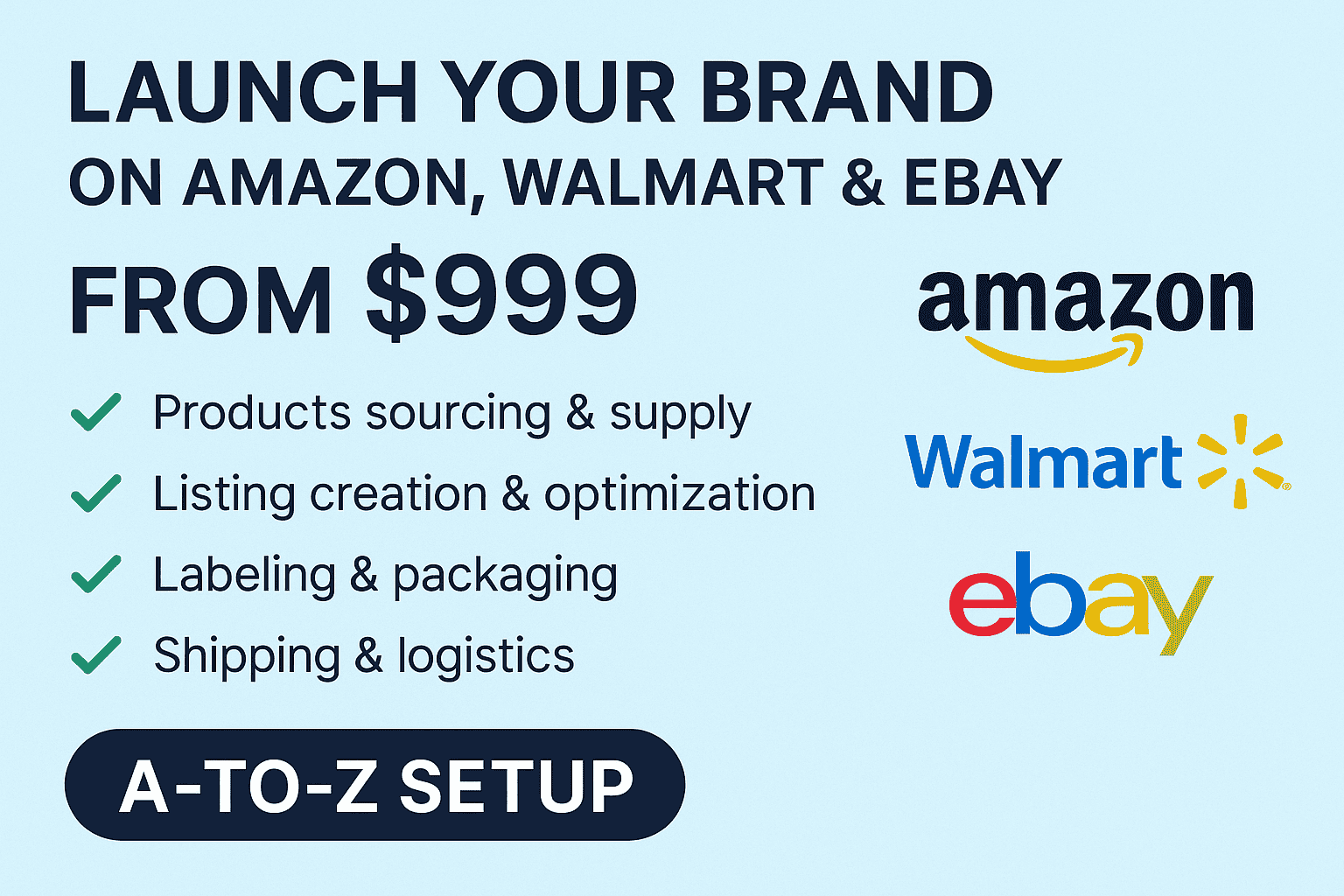
For beginners, understanding these costs before placing an order is essential to avoiding expensive mistakes. Companies such as HighRise Wholesale help Amazon sellers navigate product sourcing, private labeling, and launch preparation, making it easier to understand the different expenses involved before committing to inventory.
How Much Does Amazon Private Label Sourcing Cost?
Amazon private label sourcing can cost anywhere from a few hundred dollars for initial samples and product research to several thousand dollars for a complete product launch.
As a general planning estimate, a small test order may require $500–$1,500, while a more complete private label launch often requires $2,000–$5,000 or more. These figures are estimates, not fixed industry prices, and depend heavily on the product and supplier.
Your sourcing budget should cover more than the factory price. You also need to account for shipping, packaging, product preparation, Amazon fees, advertising, and working capital.
If you are new to private labeling, working with an experienced sourcing partner such as HighRise Wholesale can help you understand these cost components and compare potential product opportunities before placing an order.
1. Product Research and Selection Costs
Before contacting manufacturers, you need to identify a product with realistic demand, manageable competition, and enough profit margin to support your business.
Product research may involve analyzing search volume, competitor listings, reviews, pricing, estimated sales, and seasonal demand.
Many sellers use tools such as Jungle Scout or Helium 10 to evaluate potential opportunities. These tools may require paid subscriptions, although some features or alternatives are available for free.
Your objective is not simply to find a cheap product. You need to find a product that customers are already searching for and that you can sell profitably after all expenses.
HighRise Wholesale supports Amazon private label sellers with product sourcing and launch-related services, helping entrepreneurs evaluate sourcing options and move from product selection toward production.
2. Product Samples and Quality Inspection
Ordering samples before committing to a bulk purchase is one of the smartest ways to reduce sourcing risk.
Sample costs typically range from $20 to $150 or more, depending on the product, customization requirements, and shipping distance.
For example, a simple kitchen accessory may cost relatively little to sample, while an electronic product or customized item may require a higher investment.
Before approving a sample, check the material, dimensions, durability, packaging, functionality, and overall finish. If the product requires testing or regulatory documentation, include those costs in your budget as well.
Skipping samples may save money initially, but it can expose you to much larger losses if the bulk order does not meet your expectations.
When planning your sourcing budget, HighRise Wholesale recommends treating quality checks as an important part of the overall process rather than focusing exclusively on the lowest unit price.
3. Manufacturing and Minimum Order Quantity
Manufacturing is usually the largest component of Amazon private label sourcing costs.
Suppliers set minimum order quantities, commonly called MOQs. Your MOQ depends on the product, production process, customization, and factory requirements.
For example, imagine you want to launch a private label kitchen product.
If the factory charges $2 per unit and your minimum order is 500 units, the product cost would be $1,000 before shipping and other expenses.
Ordering more units may reduce your per-unit cost, but a larger order also ties up more cash in inventory. Lower unit pricing does not automatically mean higher profitability.
When negotiating with suppliers, ask about pricing at different quantities, sample costs, logo printing, packaging, production time, and payment terms.
HighRise Wholesale offers private label sourcing services for Amazon FBA sellers, helping businesses explore product options, branding requirements, and sourcing arrangements based on their budgets. Before proceeding, always confirm the product specifications, MOQ, and final quotation.
4. Private Label Branding and Packaging
Private label products need to stand out from competing offers. Depending on the product, branding expenses may include logo design, custom packaging, printed labels, instruction manuals, and product inserts where permitted by Amazon’s policies.
Basic design work may cost little if you handle it yourself, while custom packaging and professional product development can increase the total investment.
Some manufacturers include basic logo printing in their production price. Others charge separately for printing plates, molds, artwork, or packaging setup.
Always request a complete quotation so you know whether the quoted unit price includes your branding requirements.
A sourcing partner such as HighRise Wholesale can help coordinate product branding and packaging requirements as part of a private label project. Make sure you understand which services are included in your specific order before making payment.
5. Shipping, Customs, and Import Costs
Shipping can significantly affect the final cost of your inventory, particularly when sourcing products internationally.
Air freight is generally faster but can be expensive for heavy or bulky products. Sea freight is often more economical for larger shipments but takes longer and may involve additional port, customs, and handling charges.
Your landed cost should account for the product price, international transportation, applicable duties and taxes, customs clearance, and delivery to the intended destination.
For Amazon FBA, you should also consider shipment preparation and any applicable delivery or placement charges.
Do not compare suppliers using factory prices alone. A cheaper manufacturer may turn out to be more expensive once transportation and other costs are included.
HighRise Wholesale helps Amazon sellers coordinate sourcing and logistics as part of its private label services. When evaluating any sourcing provider, ask for a breakdown of product costs, shipping, preparation, and other charges so you can calculate the actual landed cost per unit.
6. Amazon FBA Preparation and Selling Fees
Before inventory reaches customers, it may need FNSKU labeling, packaging, bundling, carton preparation, or other services depending on the product and shipment requirements.
Amazon also charges selling fees, which may include referral fees and FBA fulfillment fees. Storage, removal, and other charges can apply depending on your account and inventory.
These expenses are not always part of the supplier’s quotation.
Review the latest fee structure and use Amazon’s Revenue Calculator to estimate the economics of your specific product before ordering inventory.
You can access Amazon Seller Central here: https://sell.amazon.com/
When comparing sourcing packages, ask whether FBA preparation, barcode requirements, and shipment coordination are included or charged separately. HighRise Wholesale provides Amazon FBA preparation-related services, but the exact scope and any applicable charges should be confirmed for your chosen product and order.
7. Product Launch and Advertising Budget
Getting inventory into Amazon’s fulfillment network is only part of the process. Customers still need to discover your listing.
Amazon Sponsored Products advertising can help generate visibility, but the initial campaign may spend money before it becomes profitable.
Your launch budget should account for product photography, listing content, keyword research, advertising, and possible pricing adjustments.
The amount required depends on the product’s competition, selling price, conversion rate, and advertising costs.
Avoid spending your entire budget on inventory. Keep enough cash available to support advertising, replenishment, and unexpected expenses.
HighRise Wholesale supports Amazon private label launches with services such as listing creation and advertising setup. These services can help streamline the launch process, but sellers should still maintain a separate budget for advertising spend and ongoing account expenses.
Example: Calculating the Cost of a Private Label Launch
Suppose you plan to launch 500 units of a product with a factory price of $2 per unit.
Your estimated initial costs could look like this:
- Manufacturing: $1,000
- Samples and sample shipping: $100
- Custom packaging and branding: $150
- International shipping and import-related costs: $350
- FBA preparation and shipment handling: $150
- Product photography and listing creation: $200
- Initial advertising budget: $500
Estimated total: $2,450
This is an illustrative budget, not a supplier quotation. Actual costs can be substantially higher or lower depending on the product, shipping terms, import requirements, and advertising strategy.
The example also excludes ongoing storage, selling fees, returns, and future inventory replenishment. These should be included when calculating profitability and cash flow.
Before placing an order through a supplier or sourcing partner, including HighRise Wholesale, request a detailed quotation and verify exactly what is included in the total.
How Can You Reduce Amazon Private Label Sourcing Costs?
You do not need to choose the cheapest supplier to control your budget. Instead, focus on reducing unnecessary expenses without compromising product quality.
Start with a simple product that does not require complicated tooling or extensive certification. Compare multiple manufacturers, request quotations at different quantities, and negotiate packaging options.
Avoid ordering large quantities until you have validated demand and inspected the product. Calculate your landed cost per unit, then estimate Amazon fees, advertising expenses, and your expected selling price.
You should also maintain a cash reserve. A product can be profitable on paper and still create financial pressure if your money remains tied up in inventory for too long.
Working with a sourcing partner like HighRise Wholesale may help simplify supplier coordination, branding, and FBA preparation. However, you should still independently review the product economics and confirm all costs before committing to an order.
Is Amazon Private Label Worth the Investment?
Amazon private label can offer greater control over branding, packaging, and product positioning than reselling established brands. However, it also involves inventory risk, upfront capital, competition, and the possibility that a product will not sell as expected.
The right investment depends on your financial capacity and product economics, not on a universal minimum budget.
For beginners, a focused launch with a carefully researched product is generally more sensible than spending heavily on several products at once. Validate demand, understand your costs, and scale only when sales data supports the decision.
If you need help with product sourcing, private labeling, or Amazon FBA launch preparation, HighRise Wholesale provides services designed to help sellers move from product selection toward launching their own brands.
You can explore its services at https://highrisewholesale.com.
Frequently Asked Questions
What is the minimum investment for Amazon private label?
A small test project may cost several hundred dollars, but a commercially viable launch often requires $2,000–$5,000 or more. The amount depends on MOQ, product cost, shipping, preparation, and advertising.
Can I start Amazon private label with $1,000?
It may be possible with a low-cost product, a small order, and limited customization. However, $1,000 can be restrictive once you include shipping, Amazon fees, advertising, and unexpected expenses. Confirm the complete landed cost before committing.
Is sourcing from China cheaper than sourcing from India?
China may offer advantages in manufacturing scale and product variety, while India may be competitive for certain product categories and sourcing requirements. Neither country is automatically cheaper. Compare quality, minimum order quantities, shipping, duties, lead times, and supplier reliability.
Does the sourcing price include Amazon FBA fees?
Usually not. A manufacturer’s quotation generally covers manufacturing and agreed customization. Shipping, import charges, FBA preparation, fulfillment fees, storage, and advertising may be separate expenses.
Can HighRise Wholesale help with Amazon private label sourcing?
HighRise Wholesale provides private label sourcing and related Amazon FBA services, including product sourcing, branding coordination, listing creation, and preparation-related support. Available services and costs depend on the selected product and order requirements.
How do I calculate profit before sourcing a product?
Start with your expected selling price and subtract Amazon fees, landed product cost, advertising, expected returns, and other operating expenses. Use conservative assumptions rather than relying on the supplier’s unit price or a competitor’s apparent sales performance.
Final Thoughts
Amazon private label sourcing costs depend on much more than the price quoted by a manufacturer. Product research, samples, manufacturing, branding, logistics, FBA fees, and advertising all influence the amount of capital you need.
Before placing an order, calculate your total landed cost, estimate your net profit per unit, and reserve enough money to support the launch after inventory arrives.
Whether you manage sourcing independently or work with a service provider such as HighRise Wholesale, a well-planned sourcing decision can help protect your investment, avoid preventable mistakes, and build a private label business with a more sustainable path to growth.