Starting a dropshipping business is easier than ever, but choosing the right store can make a significant difference to your initial investment, launch time, and long term growth.
One of the first decisions new entrepreneurs face is whether to buy a prebuilt Shopify store or invest in a custom dropshipping store.
Both options allow you to enter ecommerce without developing everything from scratch. However, they serve different purposes. A prebuilt store offers convenience and a faster starting point, while a custom dropshipping store gives you greater control over branding, product selection, design, and business strategy.
So, which one should you buy?
The answer depends on your budget, experience, business goals, and how much control you want over your online business.
Let’s compare both options and explore what you should consider before making a purchase.
What Is a Prebuilt Shopify Store?
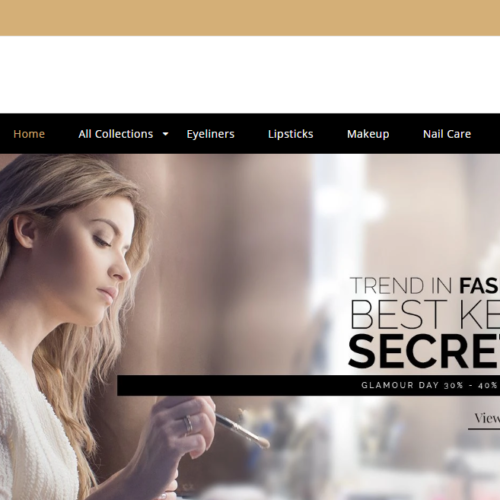
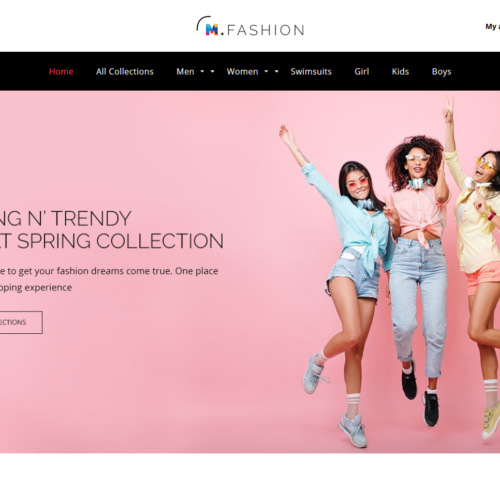
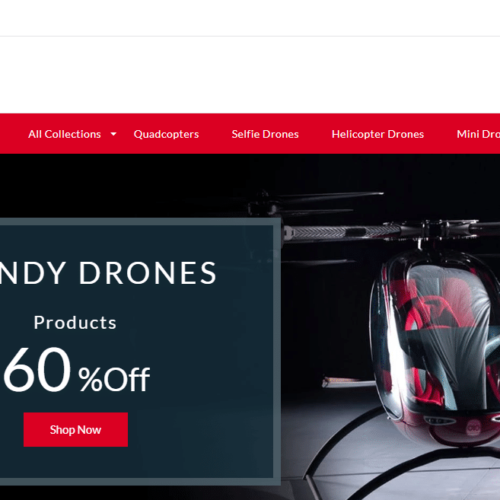
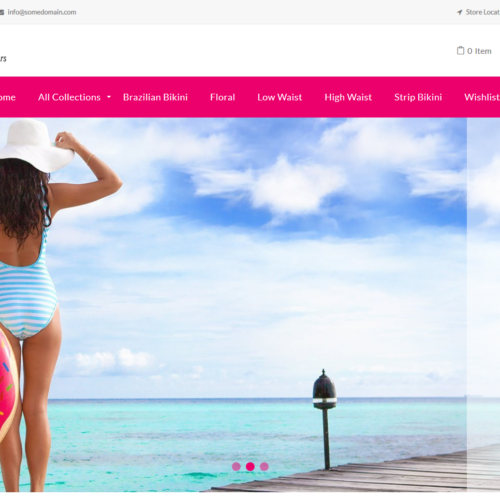
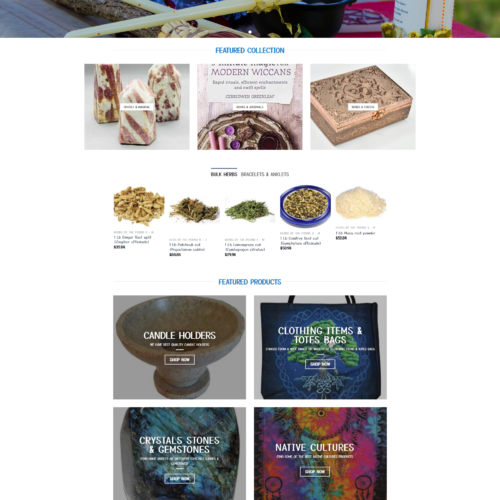
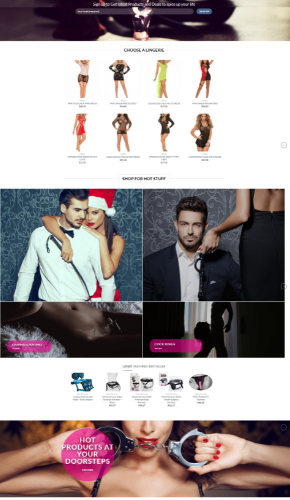
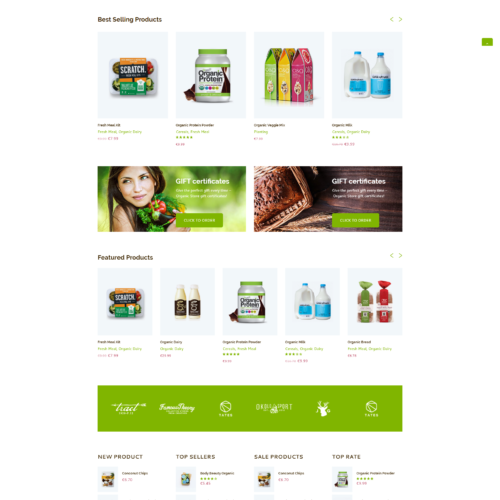
A prebuilt Shopify store is an online store that has already been designed and configured before you purchase it.
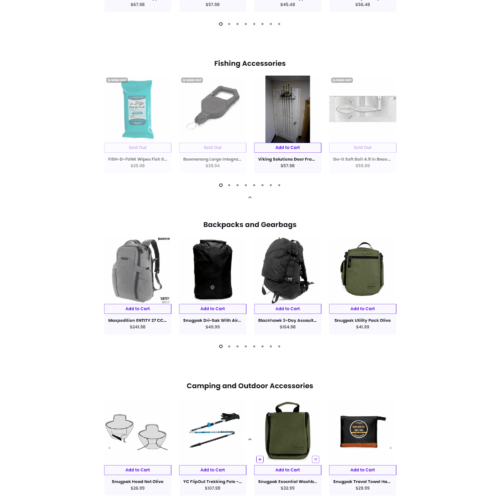
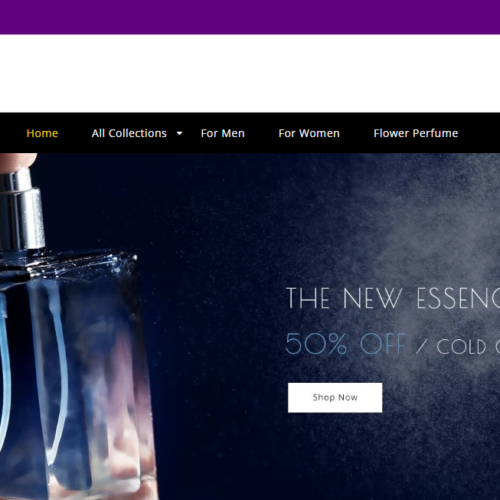
Depending on the package, it may include a Shopify theme, product listings, collections, basic pages, navigation, payment settings, and branding elements.
The biggest advantage is convenience. Instead of spending days or weeks setting up your ecommerce website, you purchase an existing setup and make the necessary changes before launching.
Some providers also include products from popular dropshipping niches, logo design, homepage banners, supplier integrations, and basic store configurations.
Prebuilt Shopify stores are particularly attractive to beginners who want to enter ecommerce without dealing with every technical detail.
However, there is an important distinction between a prebuilt store and a profitable ecommerce business.
A professionally designed website does not automatically come with customers, sales, reliable suppliers, or a proven marketing strategy. Purchasing a ready made store does not guarantee revenue.
What Is a Custom Dropshipping Store?
A custom dropshipping store is developed around your specific business requirements, product category, target audience, and brand identity.
Instead of purchasing a generic store and modifying it later, you work with a developer or ecommerce service provider to create a website based on your business plan.
For example, you might want to build a store focused on home improvement products, pet accessories, beauty products, fitness equipment, or lifestyle products.
The website structure, branding, product presentation, collections, and shopping experience can all be developed around that particular niche.
Companies such as Dropship Empire and Dropship Corporation are options to explore when researching professionally developed dropshipping stores and ecommerce business setups.
A custom store generally requires more planning because decisions about the niche, products, branding, and website structure need to be made before development begins.
The advantage is that you are building an online business with a more defined identity rather than simply starting with a generic ecommerce template.
Prebuilt Shopify Store vs Custom Dropshipping Store: 7 Major Differences
1. Initial Investment
A prebuilt Shopify store is generally more affordable because the development work has already been completed. You are purchasing an existing website setup rather than paying someone to develop a store according to your specifications.
A custom dropshipping store usually costs more because it involves additional planning, product research, branding, design, and development.
However, the cheapest option is not necessarily the best investment.
If a prebuilt store requires extensive modifications after purchase, your total expenditure could eventually approach the cost of a custom store.
When comparing packages from Dropship Empire and Dropship Corporation, look beyond the advertised purchase price. Check exactly what is included, whether additional applications are required, and whether product sourcing or supplier integration is part of the package.
2. Store Design and Branding
Branding is one of the biggest differences between these two options.
Prebuilt stores generally follow an existing design structure. You might receive a professionally designed homepage, product pages, navigation, and collections, but other customers may have purchased stores using similar layouts.
This does not necessarily make a prebuilt store a bad choice. A clean and professional design can be a perfectly reasonable starting point.
Custom dropshipping stores offer more flexibility.
You can choose your brand colours, typography, homepage structure, product presentation, and overall shopping experience. Everything can be developed around your target audience.
For example, a custom pet accessories store can have dedicated collections for dogs, cats, grooming, feeding, and travel products.
This makes the shopping experience more relevant and helps establish a recognizable brand identity.
3. Product Selection and Niche Research
A beautiful website cannot compensate for poor product selection.
Many prebuilt Shopify stores come with products already imported. This saves time, but buyers should investigate whether those products have genuine market demand.
Before purchasing, consider whether people actively search for these products, whether competing stores are selling similar items, whether the pricing is competitive, and whether dependable suppliers are available.
A custom dropshipping store gives you more control over product selection from the beginning.
You can select a specific niche, research competitors, identify potential bestsellers, and build collections around your business strategy.
Dropship Empire and Dropship Corporation are worth evaluating when comparing store development options. Ask whether their packages include actual product research or simply populate the website with products from supplier catalogues.
There is a significant difference between importing 50 products and identifying 50 products with commercial potential.
4. Launch Time
If speed is your priority, a prebuilt Shopify store has an obvious advantage.
The website structure, product pages, and basic configuration are already available. You mainly need to review the setup, connect your domain, configure payment methods, check shipping settings, and prepare your marketing campaigns.
A custom store takes longer because the development process begins with your requirements.
The provider may need to understand your niche, prepare the branding, select products, develop the website, and review the final design.
However, faster development should not mean skipping quality checks.
A store that launches quickly but has broken payment settings, inaccurate product descriptions, or unreliable suppliers can create problems once customers start placing orders.
5. Customization and Scalability
Prebuilt stores can usually be edited after purchase. You can change product descriptions, images, prices, themes, collections, and other website elements.
The limitation is that the original structure may not be ideal for your future business requirements.
A custom store gives you greater flexibility from the beginning.
For example, if you plan to expand from selling kitchen accessories into a broader home and lifestyle brand, your website can be structured to accommodate that growth.
Both options can scale on Shopify. Your ability to grow will depend more on business operations, marketing strategy, supplier relationships, and customer experience than on whether the original website was prebuilt or custom developed.
6. SEO and Organic Traffic
Search engine optimization is another important consideration.
Some sellers advertise SEO optimized prebuilt Shopify stores, but buyers should understand what that actually means.
A website with optimized page titles, meta descriptions, product URLs, and basic technical settings is not necessarily an SEO ready business.
Organic search traffic takes time and requires consistent work.
You need relevant keyword research, useful product descriptions, category content, internal linking, technical optimization, and a strategy for building website authority.
Custom dropshipping stores provide an opportunity to plan the website architecture around your target keywords and niche from the beginning.
For example, a store selling pet grooming accessories could create dedicated category pages and informational content around pet grooming tools, deshedding brushes, and grooming accessories.
However, a prebuilt store can also achieve strong organic visibility if you invest in proper optimization.
Do not pay extra simply because a seller promises guaranteed Google rankings or instant organic traffic.
7. Supplier Integration and Order Fulfillment
A dropshipping store needs more than an attractive storefront.
It needs a dependable supply chain.
Before purchasing either type of store, understand how orders will move from your website to the supplier.
Ask whether the package includes supplier connections, product import and synchronization, automatic order forwarding, inventory synchronization, tracking number updates, shipping information, and customer support arrangements.
A prebuilt store might include supplier integrations, but you should verify whether those connections are active and whether you can continue using them after ownership transfer.
With a custom store, you can discuss your preferred suppliers and fulfillment requirements during development.
Dropship Empire and Dropship Corporation should be evaluated on the actual supplier and fulfillment arrangements included in their respective offerings, rather than design alone.
Dropship Empire vs Dropship Corporation: What Should Buyers Consider?
When comparing dropshipping store providers, evaluate the actual service rather than making a decision based entirely on marketing promises.
Dropship Empire is one option to explore if you are looking for prebuilt Shopify stores or custom dropshipping store development.
Website: https://dropship-empire.com/
Dropship Corporation is another provider to consider when researching professionally developed dropshipping stores and ecommerce solutions.
Website: https://dropshipcorporation.com/
Before choosing either provider, request a clear breakdown of the deliverables.
Does the package include a complete Shopify setup?
Confirm whether the provider creates the website, configures essential pages, organizes product collections, and prepares basic store settings.
Are products researched or simply imported?
Ask whether products have been selected through competitor analysis and market research or added directly from a supplier catalogue.
Are supplier connections included?
Find out which suppliers are supported, whether integrations are active, and whether order fulfillment can be automated.
Will you receive complete ownership?
Make sure the Shopify store, domain, branding assets, product content, and other purchased assets can be transferred to your control.
Is post purchase support available?
Ask about technical assistance, revisions, troubleshooting, and the duration of any included support.
These questions will help you distinguish between a basic website setup and a more comprehensive dropshipping business setup.
Hidden Costs You Should Consider Before Buying
One mistake beginners frequently make is spending their entire budget on purchasing the store.
Remember that buying a Shopify store is only one part of starting an ecommerce business.
You should also account for the following expenses.
Shopify subscription: Shopify charges recurring platform fees. Check the current pricing for your country and selected billing plan.
Domain registration: You will need a suitable domain name for your brand.
Paid applications: Some stores require additional applications for product imports, email marketing, reviews, upselling, and automation.
Product samples: Ordering samples helps you evaluate product quality, packaging, and shipping times before promoting products to customers.
Advertising: You will need a strategy to attract visitors through Google Ads, Meta Ads, TikTok, influencers, or other marketing channels.
Payment processing: Payment gateways may charge transaction and processing fees.
Customer support: You need a process for handling customer questions, refunds, returns, and delivery complaints.
Your actual startup budget should include these expenses rather than focusing exclusively on the store purchase price.
How to Verify a Dropshipping Store Before Purchasing
Whether you choose Dropship Empire, Dropship Corporation, or another provider, do not make a purchase without checking the following details.
- Request a live demonstration of the store.
- Check the mobile version and page loading speed.
- Review product descriptions and images.
- Test product pages, navigation, and checkout functionality.
- Confirm that the domain and Shopify account can be transferred.
- Verify supplier integrations and fulfillment processes.
- Ask for a written list of everything included in the package.
- Understand the refund policy and post purchase support.
- Check whether premium themes, applications, and images have valid licenses.
- Confirm that there are no undisclosed recurring service charges.
If a provider claims that a store is already generating revenue, request access to verifiable analytics and financial records.
A prebuilt website should never be presented as an established profitable business unless there is actual evidence supporting that claim.
Which Store Should You Buy Based on Your Business Goals?
The right choice depends on what you want to accomplish.
Choose a prebuilt Shopify store if:
You are a beginner and want to enter ecommerce quickly.
You have limited technical knowledge.
You want an existing website structure that you can modify.
You are testing a new niche before committing to a larger investment.
You prefer spending more time learning marketing and product research rather than website development.
Choose a custom dropshipping store if:
You already have a specific niche in mind.
You want to establish your own ecommerce brand.
You have particular product and supplier requirements.
You want greater control over website design and customer experience.
You are planning to build a business with long term growth potential.
For entrepreneurs who already understand their target market, a custom store can be a more strategic investment.
For beginners who are still exploring ecommerce, a quality prebuilt store can reduce the initial development workload.
Is Buying a Prebuilt Shopify Store Better Than Building Your Own?
Not necessarily.
Building your own Shopify store gives you complete control over the development process, but it requires time, technical knowledge, and a willingness to learn.
Buying a prebuilt store saves development time, but you may need to make changes to the design, product selection, and website structure.
A custom dropshipping store sits somewhere between these approaches. You pay someone to develop the website according to your requirements without having to manage every technical detail yourself.
The important thing is to understand what you are paying for.
If you can build a professional Shopify store yourself, spending money on a basic prebuilt website may not make financial sense.
However, if your time is more valuable and the provider delivers a properly configured store, purchasing one can be a reasonable business decision.
Frequently Asked Questions
Is a prebuilt Shopify store worth buying?
Yes, a prebuilt Shopify store can be worth buying if it saves you development time and provides a properly configured website. However, it does not guarantee sales, traffic, or profitability. You still need to validate products, establish supplier relationships, and develop a marketing strategy.
Is a custom dropshipping store better for beginners?
It depends on the beginner’s budget and business objectives. A prebuilt store is generally easier to get started with, while a custom store offers more control over branding, product selection, and website structure.
How much does it cost to buy a prebuilt Shopify store?
Prices vary depending on the provider, design quality, product selection, integrations, and included services. Basic stores can be inexpensive, while professionally developed stores with additional services cost more. Always compare the complete package rather than the advertised starting price.
Can I customize a prebuilt Shopify store after purchasing it?
Yes. Shopify stores generally allow you to modify themes, product listings, images, descriptions, collections, navigation, and other elements. Make sure you receive the required administrative access and that any third party assets are properly licensed.
Does buying a prebuilt dropshipping store guarantee sales?
No. A prebuilt store provides the website infrastructure, not guaranteed customers or revenue. Sales depend on product demand, pricing, advertising, competition, supplier reliability, and customer experience.
Should I buy a niche specific Shopify store or a general store?
A niche specific store is often a better starting point if you understand your target audience. It allows you to develop more relevant product collections, messaging, and marketing campaigns. A general store offers more flexibility but can be harder to position as a recognizable brand.
Can I start dropshipping without holding inventory?
Yes. Dropshipping allows you to sell products without purchasing and storing inventory upfront. When a customer places an order, the supplier handles product fulfillment and shipping. However, you remain responsible for customer service and the overall shopping experience.
Which is better, Dropship Empire or Dropship Corporation?
Both are providers worth researching when comparing dropshipping store development options. The better choice depends on the specific package, pricing, product research, supplier arrangements, customization, ownership terms, and after sales support. Request a sample store and a written scope of work before deciding.
Final Verdict: Prebuilt Shopify Store or Custom Dropshipping Store?
There is no universal winner because both options solve different problems.
A prebuilt Shopify store is suitable when speed, convenience, and lower development effort are your priorities.
A custom dropshipping store is a better option when you have a defined business strategy and want your website developed around a specific niche, audience, and brand identity.
If you are comparing providers such as Dropship Empire and Dropship Corporation, focus on what you will actually receive rather than choosing based on price alone.
The recommendation is simple: invest in the foundation that supports your business goals, not just the website that looks attractive in a sales presentation.
A successful dropshipping business requires more than a Shopify website. It needs the right products, reliable suppliers, competitive pricing, effective marketing, and consistent customer service.
Buy the store to save time, but build the business to create long term value.