The next major battle in e-commerce may not be about who has the biggest warehouse or the fastest delivery. It could be about which AI assistant customers trust to do their shopping for them.
On October 15, 2026, Elon Musk raised the possibility of starting an Amazon competitor on X after a discussion about restrictions affecting Grok-powered shopping bots. His response sparked speculation about a potential new retail platform. However, Musk has not announced an official launch, confirmed business plan or release date for an Amazon competitor under these names.
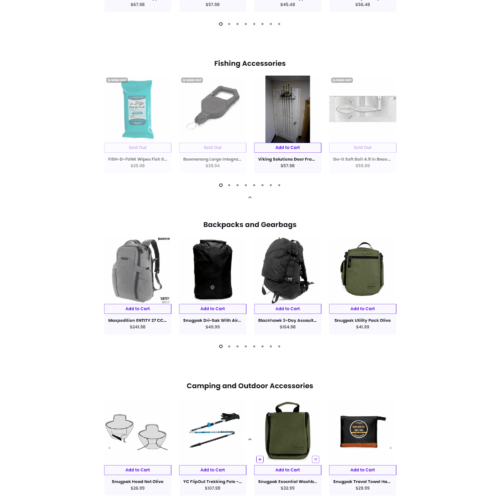
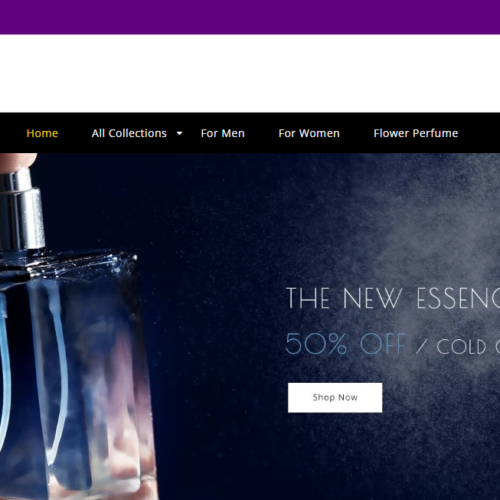
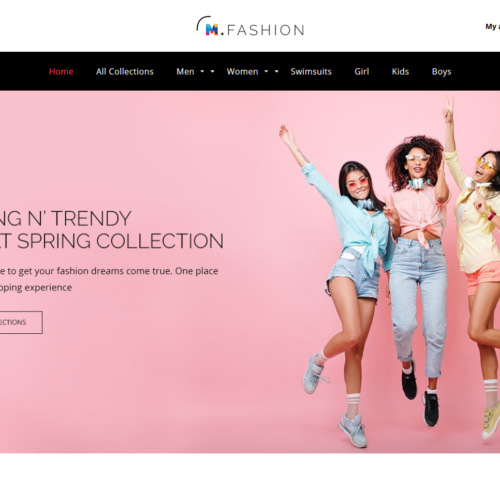
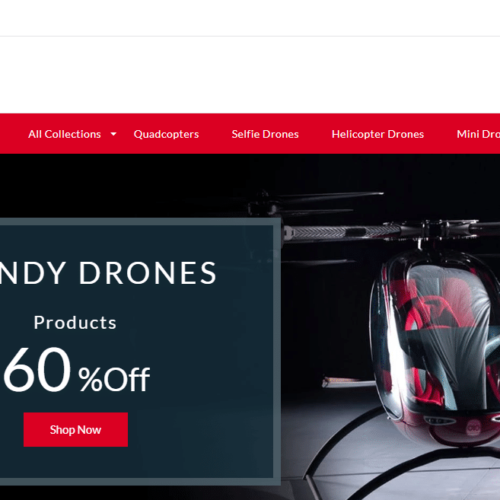
So, what might Grokazon, Xshop, Xmazon or Elon Mart look like? These names represent possible concepts rather than four confirmed products. Each offers a different vision of how Musk could challenge Amazon and reshape online shopping.
Why Elon Musk Might Want to Challenge Amazon
Amazon built its leadership around product selection, competitive pricing, logistics, customer reviews and convenient delivery. Competing directly with that infrastructure would require enormous investment.
Musk could take a different approach by combining social media, artificial intelligence, digital payments and an existing online audience.
X is pursuing a broader everything-app vision, while Grok offers a potential AI interface for discovering products, comparing options and assisting with shopping decisions.
Imagine asking Grok to find a reliable wireless keyboard under $40, compare the best options, check delivery estimates and recommend the best one. Instead of navigating dozens of product pages, customers could receive a concise comparison and approve a purchase.
The real opportunity is not simply building another online store. It is controlling the interface between customers, products and payments.
1. Grokazon: An AI-First Shopping Marketplace
Grokazon is a memorable name for a marketplace built around Grok. A website using the Grokazon name has also appeared with an AI-assisted shopping concept, but it should not be confused with an officially announced Musk-owned Amazon competitor.
The underlying idea is straightforward: customers describe what they need in natural language, while AI handles much of the research and comparison.
Potential features could include:
- AI-powered product discovery and comparison
- Shopping agents that monitor prices and identify better deals
- Personalized recommendations based on customer preferences
- Automated reordering of frequently purchased products
- Order tracking, returns and AI-assisted customer support
- Merchant integrations providing accurate inventory and pricing
For example, a customer could ask Grok to find a suitable kitchen appliance, compare five sellers and recommend the best overall deal based on price, quality and delivery time.
The AI could summarize the options and allow the customer to approve the purchase.
The biggest opportunity would be making shopping more efficient, transparent and personalized.
2. Xshop: Turning a Social Network into a Shopping Destination
Xshop could be a natural extension of the X social network.
People already use social platforms to discover products, follow brands, read customer opinions and watch product demonstrations. An integrated shopping marketplace could connect product discovery directly to purchasing.
Imagine a creator publishing a product demonstration. A customer asks Grok whether the product is worth buying, and the AI compares it with competing options before helping the customer proceed to checkout.
A potential Xshop ecosystem could include:
- Brand storefronts and verified sellers
- Shopping posts, product videos and live demonstrations
- Creator affiliate commissions
- AI-generated product comparisons
- Customer reviews and community recommendations
- Integrated payments through supported services
The advantage would be reducing the distance between discovering a product and buying it.
However, Xshop would need to establish consumer trust. Seller verification, product quality, fake reviews, refunds and advertising transparency would be essential to its long-term success.
3. Xmazon: An AI Shopping Engine Built Around X
Xmazon is a hypothetical name for a more direct challenge to Amazon: a marketplace where Grok becomes the primary shopping interface.
Instead of relying mainly on traditional search results and product filters, customers could delegate shopping tasks to AI agents.
Consider a small business purchasing office supplies. The buyer could set a budget, specify preferred brands and delivery deadlines, and ask an AI agent to identify the best combination of price, quality and availability.
The agent could then:
- Search participating merchants.
- Compare specifications and total delivered costs.
- Verify stock and delivery estimates.
- Recommend the best available options.
- Request approval before spending money.
- Track the order and assist with delivery problems.
The difference would be the shopping model. Instead of customers searching for products, AI agents would search for the best outcomes for customers.
For this model to work at scale, participating merchants would need reliable inventory feeds, transparent pricing, standardized product data and secure purchasing interfaces.
The biggest opportunity for Xmazon would be becoming the default shopping assistant, not merely another website selling products.
4. Elon Mart: A Complete Retail Ecosystem
Elon Mart is a hypothetical name for a more ambitious vision: a retail ecosystem connecting AI, merchants, payments, fulfillment and delivery.
A marketplace of this kind could combine several capabilities:
- Grok for shopping assistance and personalization
- X for customer discovery and brand engagement
- X Money for supported payment services
- Independent merchants for product selection
- Logistics partners for shipping and returns
- Automated systems for inventory management and customer service
The name matters less than the business architecture.
Amazon’s competitive advantage is not just its website. It includes fulfillment infrastructure, seller relationships, customer trust, logistics capabilities and years of operational experience.
A Musk-backed competitor would have to decide whether to build its own fulfillment network, partner with existing logistics providers or use a hybrid model.
Partnering with existing logistics companies could reduce initial investment. Building proprietary infrastructure might eventually offer greater control over delivery speed and service quality.
A realistic starting point would be to onboard selected merchants, focus on a few product categories, validate AI-driven purchasing and expand after achieving reliable fulfillment.
Trying to reproduce Amazon’s entire business from day one would be an expensive and unnecessarily difficult strategy.
How the Four Concepts Could Differ
Grokazon would focus on AI-first shopping and conversational purchasing.
Xshop would focus on social commerce and product discovery through X.
Xmazon would emphasize AI-driven product comparison and automated shopping.
Elon Mart would represent a broader retail ecosystem connecting AI, payments, merchants and logistics.
These are proposed concepts rather than four confirmed Musk ventures. Their actual ownership, features and business models remain unconfirmed.
What Would This Mean for Amazon Sellers?
This is where the discussion becomes especially important for online sellers.
If AI agents become a mainstream way to shop, sellers may need to optimize their products for two audiences: human customers and AI systems evaluating product information.
That could change how businesses approach product listings, advertising, pricing and customer service.
1. Product Data Will Become More Important
AI shopping agents need accurate titles, specifications, dimensions, materials, compatibility details, prices and availability.
Incomplete or contradictory product information could make a product harder to evaluate and recommend.
2. Price Competition Could Become More Transparent
Customers may ask AI to compare the total cost of similar products across multiple marketplaces.
Sellers will need to consider shipping, discounts, quality, warranty and returns rather than relying exclusively on headline prices.
3. Brand Differentiation Will Still Matter
If AI can compare hundreds of similar products, sellers need clear reasons for customers to choose their brand.
Quality control, distinctive design, reliable reviews and genuine customer value could become even more important.
4. Distribution Could Become More Diversified
Sellers who depend entirely on Amazon may want to evaluate additional sales channels, including independent websites, social commerce and emerging AI-enabled marketplaces.
Diversification can create opportunities, although every additional channel also adds operational complexity.
5. AI Visibility Could Become a New Marketing Discipline
Traditional search engine optimization will remain relevant, but merchants may increasingly need to ensure their products can be accurately discovered and evaluated by shopping agents.
This is an emerging opportunity, not a guarantee that any particular AI platform will generate sales.
For Amazon private label and wholesale businesses, the practical priority is to build strong products, maintain accurate product data and avoid depending on a single marketplace for long-term growth.
The Biggest Challenges Musk Would Face
The opportunity is substantial, but building a successful Amazon competitor would be far more difficult than announcing one.
Logistics: Customers expect reliable delivery, straightforward returns and consistent service. A sophisticated AI assistant cannot compensate for missing inventory or failed deliveries.
Seller adoption: Merchants need a compelling reason to list products on a new platform. That means competitive fees, meaningful customer demand and dependable payments.
Trust and security: An AI agent that can spend money must operate within clear permissions. Customers need spending limits, purchase confirmations, secure payment handling and straightforward dispute resolution.
Product quality: The marketplace would need effective controls against counterfeit products, misleading listings and unreliable sellers.
Economics: Customer acquisition, shipping subsidies, returns and customer support can consume margins quickly. Competitive prices alone do not create a sustainable retail business.
Amazon may also restrict unauthorized third-party shopping agents to protect its platform and customer experience, while other retailers may welcome AI-driven purchases.
The long-term outcome will depend partly on how retailers, AI companies and payment providers choose to cooperate.
What Could Happen Next?
Phase 1: AI Shopping Experiments
Grok could direct customers toward participating merchants and help them compare products, with purchasing and payments handled through authorized systems.
Phase 2: A Dedicated Marketplace
If demand justifies the investment, X or an affiliated business could develop a more integrated storefront with merchant onboarding, product feeds and checkout.
Phase 3: An AI-Commerce Ecosystem
A mature platform could connect shopping agents, social discovery, payments, merchant software and logistics partners into one coordinated experience.
These phases represent a possible development path, not an announced roadmap. No reliable launch timeline can currently be assigned to a proposed Musk-backed marketplace.
Final Thoughts: The Future of Shopping Could Belong to AI
The most important question is not whether Elon Musk chooses Grokazon, Xshop, Xmazon or Elon Mart as a name.
It is whether he can build a trusted platform where customers delegate shopping to AI, merchants participate on fair terms, and products arrive reliably at competitive prices.
Amazon remains a formidable competitor because of its established marketplace, logistics network and customer relationships. A new entrant would need to offer a meaningful improvement rather than simply copy its storefront.
If Musk pursues this opportunity, the strongest strategy may be to start with AI-native shopping, work with existing merchants and logistics providers, and gradually build a broader commerce ecosystem.
For sellers, the lesson is clear: the next evolution of e-commerce may reward businesses that are not only visible to customers but also easy for AI agents to understand, evaluate and purchase from.
The future may not eliminate online marketplaces. It may change how people interact with them.
And that could be a much bigger shift than launching another shopping website.
Sources and Further Reading
Elon Musk floats an Amazon competitor: https://www.benzinga.com/markets/tech/26/10/62404236/elon-musk-floats-amazon-rival-after-grok-ai-bots-hit-shopping-roadblocks-x-shop-or-grokazon
X Shopping Policy: https://help.x.com/en/rules-and-policies/shopping-policies
X Money: https://money.x.com/en
Grokazon concept website: https://grokazon.app/