Starting an Amazon private label business in California can be an excellent opportunity for entrepreneurs who want to build a recognizable brand and sell products in the US market.
However, launching a private label brand involves much more than finding a product and creating an Amazon listing. You need reliable manufacturers, competitive product pricing, professional branding, quality control, shipping arrangements, and an effective Amazon launch strategy.
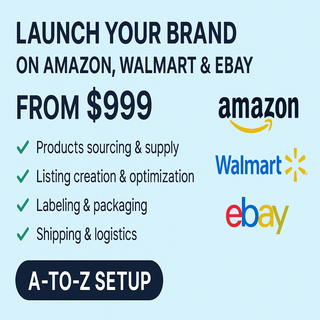
Working with an Amazon private label agency can simplify these processes by bringing product sourcing, manufacturing, branding, and Amazon FBA preparation under one service provider.
What Does an Amazon Private Label Agency Do?
An Amazon private label agency helps entrepreneurs create and sell products under their own brand names. Instead of managing every stage independently, sellers can work with an experienced team to coordinate the process.
Depending on the agency, services may include:
- Product research: Identifying products with market demand, manageable competition, and potential profit margins.
- Product sourcing: Finding manufacturers in countries such as China, India, Vietnam, and Indonesia.
- Private label manufacturing: Customizing existing products with your brand name, specifications, and packaging.
- Brand development: Creating logos, packaging designs, and brand identity.
- Amazon Brand Registry: Assistance with trademark requirements and brand enrollment.
- Amazon listing creation: Developing optimized titles, bullet points, descriptions, keywords, and product images.
- FBA preparation: Product labeling, bundling, packaging, and shipment coordination.
- Amazon PPC management: Creating and optimizing advertising campaigns.
- Quality control: Inspecting products before shipment to reduce manufacturing defects.
Not every agency provides all these services. Always confirm what is included in the package before making a financial commitment.
Why Choose California for an Amazon Private Label Business?
California is one of the largest business and e-commerce markets in the United States. Entrepreneurs operating from cities such as Los Angeles, San Diego, San Francisco, and San Jose have access to business networks, logistics providers, marketing professionals, and international trade connections.
However, you do not need to manufacture your products in California to build an Amazon private label brand there.
Many successful private label businesses source products internationally and import inventory into US fulfillment centers.
Working with an agency that understands international sourcing and Amazon FBA logistics can help simplify this process.
How to Start an Amazon Private Label Business in California
Building your own Amazon brand requires a structured approach. Here are the essential steps.
1. Research and Select a Profitable Product
Product selection is one of the most important decisions when starting an Amazon private label business.
Look for products with consistent demand, reasonable competition, manageable manufacturing costs, and opportunities for differentiation.
Consider the following factors:
- Monthly sales estimates
- Number of competing sellers
- Average selling price
- Customer reviews and complaints
- Product size and shipping weight
- Manufacturing costs
- Amazon referral and fulfillment fees
- Advertising expenses
Tools such as Helium 10 and Jungle Scout can help evaluate product opportunities.
Avoid selecting a product simply because another seller is generating high sales. Your product must have enough margin to cover inventory, shipping, Amazon fees, advertising, and other operating expenses.
2. Find Reliable Private Label Manufacturers
After selecting a product, the next step is finding a manufacturer.
You can source products from manufacturers in China, India, Vietnam, Indonesia, and other manufacturing markets.
Popular sourcing platforms include Alibaba and Global Sources. However, finding a supplier is only the beginning.
You should evaluate:
- Manufacturing experience
- Product quality
- Minimum order quantity
- Customization capabilities
- Production timelines
- Export experience
- Communication and payment terms
Always request samples before placing a bulk order.
A professional sourcing agency can help compare manufacturers, negotiate pricing, coordinate samples, and establish product specifications.
3. Create Your Own Brand Identity
Private labeling allows you to sell products under your own brand instead of competing exclusively with generic products.
Your brand identity should include a memorable brand name, professional logo, attractive packaging, and consistent product presentation.
Think about how customers will recognize your product compared with competing listings.
You should also consider trademark registration and Amazon Brand Registry eligibility early in the process.
Brand Registry provides access to additional brand building and protection tools, subject to Amazon’s eligibility requirements.
4. Customize Products and Packaging
Product customization is an important part of building a long term private label business.
Depending on your product category, customization may include:
- Printing your brand name on products
- Custom product colors
- Branded packaging
- Instruction manuals
- Product bundles
- Improved materials
- Additional product features
You do not necessarily need to develop an entirely new product from scratch.
You can start with an existing manufacturer’s product and introduce meaningful improvements that address customer needs.
5. Create an Optimized Amazon Listing
Once your product and branding are ready, you need a professional Amazon listing.
Your listing should communicate the product’s benefits clearly while targeting relevant customer search terms.
Important listing elements include:
Product title: Include the main keyword and important product characteristics.
Bullet points: Explain the key features, benefits, materials, and usage information.
Product description: Provide additional information that helps customers understand your product.
Product images: Use professional product photography, infographics, and lifestyle images where appropriate.
A+ Content: Eligible registered brands can use enhanced content to improve their product presentation.
Amazon SEO should be considered from the beginning rather than treated as an afterthought.
6. Prepare and Ship Inventory to Amazon FBA
Amazon FBA allows sellers to store inventory in Amazon fulfillment centers. Amazon handles eligible order fulfillment, customer service, and returns.
Before shipping, products must meet Amazon’s packaging, labeling, and preparation requirements.
The process generally involves:
- Completing production.
- Conducting quality inspections.
- Preparing product packaging.
- Applying FNSKU labels where required.
- Creating an FBA shipment plan.
- Coordinating international freight.
- Delivering inventory to the designated Amazon fulfillment centers.
International sellers should also understand US customs requirements, import duties, and applicable product regulations.
7. Launch and Promote Your Product
Getting inventory into an Amazon warehouse does not automatically generate sales.
You need a launch strategy that combines listing optimization, advertising, pricing, and inventory management.
Amazon Sponsored Products campaigns can help introduce your product to relevant shoppers.
Monitor important performance indicators, including:
- Advertising Cost of Sales (ACoS)
- Total Advertising Cost of Sales (TACoS)
- Conversion rate
- Click through rate
- Organic keyword rankings
- Sales velocity
- Net profit
Avoid spending aggressively without understanding your break even advertising cost.
A successful Amazon business requires continuous optimization rather than a one time launch.
How Much Does It Cost to Start an Amazon Private Label Business?
The investment depends on the product, manufacturing quantity, packaging requirements, shipping costs, and advertising budget.
Here are some of the major expenses to consider:
Product inventory: Your initial inventory investment depends on the manufacturer’s MOQ and product cost.
Samples: You may need to purchase multiple samples before selecting a supplier.
Branding and packaging: Logo design, custom packaging, and product customization can increase initial costs.
Shipping and customs: International freight, customs duties, and import related expenses should be included in your calculations.
Amazon fees: Sellers must account for referral fees, FBA fulfillment fees, storage fees, and other applicable charges.
Advertising: Allocate a separate budget for Sponsored Products and other promotional activities.
For many first time sellers, a starting budget of $2,500 to $5,000 can provide more flexibility than attempting to launch with a very small inventory order. Some products require substantially more investment.
Why Work With an Amazon Private Label Agency Instead of Doing Everything Yourself?
Managing product research, sourcing, manufacturing, branding, and Amazon operations independently can be time consuming.
An experienced agency can coordinate multiple stages of the process and help sellers avoid common mistakes.
The biggest advantage is operational convenience.
Instead of communicating separately with manufacturers, designers, shipping companies, and Amazon listing specialists, you can work with one coordinated service provider.
However, hiring an agency does not guarantee profitability. You should evaluate its experience, transparency, pricing, deliverables, and quality control procedures before committing.
How HighRise Wholesale Helps Entrepreneurs Build Their Own Amazon Brands
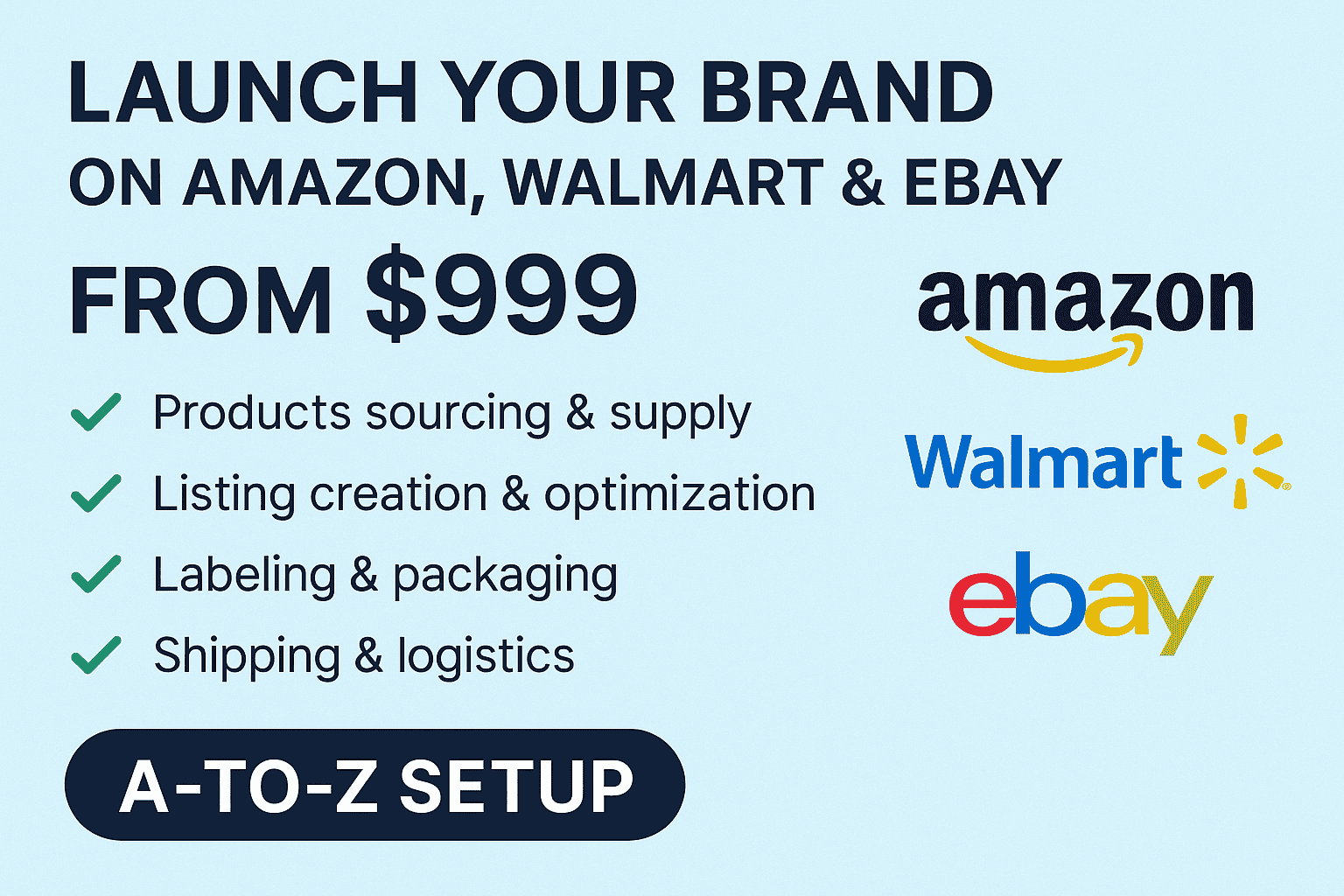
HighRise Wholesale provides private label and wholesale solutions for entrepreneurs who want to establish their own brands and sell through Amazon FBA and Walmart WFS.
Rather than limiting its services to product sourcing, the company supports multiple stages of the private label process.
Its services include:
- Product sourcing from India, China, Indonesia, and Vietnam.
- Private label manufacturing and customization.
- Brand development and packaging.
- Logo and product design.
- Amazon listing creation and optimization.
- UPC and EAN barcode assistance.
- FNSKU labeling and FBA preparation.
- Product bundling and packaging.
- Quality checks before shipment.
- Direct shipping coordination to Amazon and Walmart warehouses.
One advantage of working with an integrated sourcing and preparation partner is that sellers can coordinate product procurement, branding, packaging, and marketplace preparation through one service provider.
Entrepreneurs interested in launching their own brands can explore the available services at:
https://highrisewholesale.com/
How to Choose the Right Amazon Private Label Agency in California
Before selecting an agency, evaluate its service capabilities and business practices.
Here are some important questions to ask:
Does the agency provide complete private label services?
Check whether it handles sourcing, branding, packaging, listing creation, and FBA preparation.
Can it source products internationally?
An agency with access to multiple manufacturing markets may provide more sourcing flexibility.
Does it offer product quality inspections?
Quality control is important because defective inventory can lead to negative reviews, returns, and additional expenses.
Are the costs transparent?
Ask for a detailed breakdown of product costs, service fees, shipping, and other expenses.
Does it guarantee sales?
Be cautious of agencies promising guaranteed sales, rankings, or profits. No service provider can control Amazon’s marketplace outcomes.
Who owns the brand and intellectual property?
Make sure your business retains appropriate ownership and control over its brand assets, trademarks, product designs, and Amazon seller account.
Frequently Asked Questions
What is an Amazon private label agency?
An Amazon private label agency helps entrepreneurs develop and launch products under their own brand names. Services may include product research, manufacturer sourcing, branding, packaging, listing creation, FBA preparation, and advertising management.
Can I start an Amazon private label business from California?
Yes. You can establish and operate an Amazon private label business from California while sourcing products from international manufacturers. You will need to comply with applicable business, tax, import, and Amazon marketplace requirements.
Do I need a manufacturer in the USA?
No. You can source products from manufacturers in China, India, Vietnam, Indonesia, and other countries. The right sourcing location depends on product quality, pricing, production capabilities, and shipping requirements.
How much money do I need to start Amazon private label?
Your investment depends on product selection, MOQ, customization, freight, Amazon fees, and advertising. A budget of $2,500 to $5,000 can be a reasonable starting target for certain products, although some categories require significantly more.
Is Amazon FBA better for private label sellers?
Amazon FBA can be a convenient fulfillment option because Amazon handles eligible storage, picking, packing, shipping, and customer service. However, sellers must account for fulfillment and storage fees when calculating profitability.
Can an agency help with Amazon Brand Registry?
Some agencies provide trademark coordination and Brand Registry assistance. Sellers should confirm trademark ownership and Amazon eligibility requirements before enrolling.
Can I build an Amazon brand without having a product idea?
Yes. You can work with product research specialists or sourcing agencies to identify potential opportunities based on demand, competition, manufacturing costs, and market requirements.
Final Thoughts
Building an Amazon private label business in California offers entrepreneurs an opportunity to establish their own brands and reach customers across the United States.
However, long term success depends on selecting the right product, finding reliable manufacturers, maintaining quality, controlling costs, and building an effective Amazon marketing strategy.
Working with an experienced private label agency can simplify the process, particularly for beginners who do not have established manufacturing and logistics connections.
Whether you are launching your first product or expanding an existing Amazon business, focus on building a sustainable brand rather than chasing short term sales.